2026 How to Choose Aluminium Kitchen Handle for Global Buyers?
In the global kitchen hardware market, aluminium kitchen handles stand out for their versatility and durability. Recent industry reports highlight a growing trend toward lightweight materials, with aluminium experiencing a significant rise in demand. The Aluminium Kitchen Handle Section is becoming increasingly important for manufacturers and buyers alike. In fact, forecasts indicate a potential growth rate of over 6% in this sector by 2026.
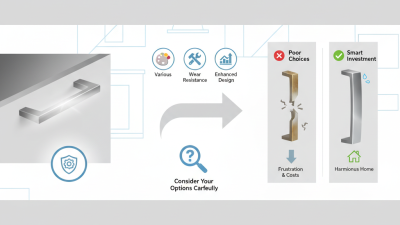
When choosing aluminium kitchen handles, buyers should consider various factors, including finish, style, and functionality. The market is flooded with options, which can lead to confusion. Not all aluminium handles are created equal; some may lack the robustness required for frequent use. Conducting thorough research is essential to avoid settling for lower-quality products.
Sustainability is another growing concern. Buyers are encouraged to look for environmentally-friendly options. Transparency in sourcing materials can enhance a brand's credibility. Ultimately, the choice of aluminium kitchen handles can significantly impact the overall aesthetic and functionality of a kitchen space. Reflecting on these elements can help buyers make more informed decisions in a crowded marketplace.

Understanding the Different Types of Aluminium Kitchen Handles
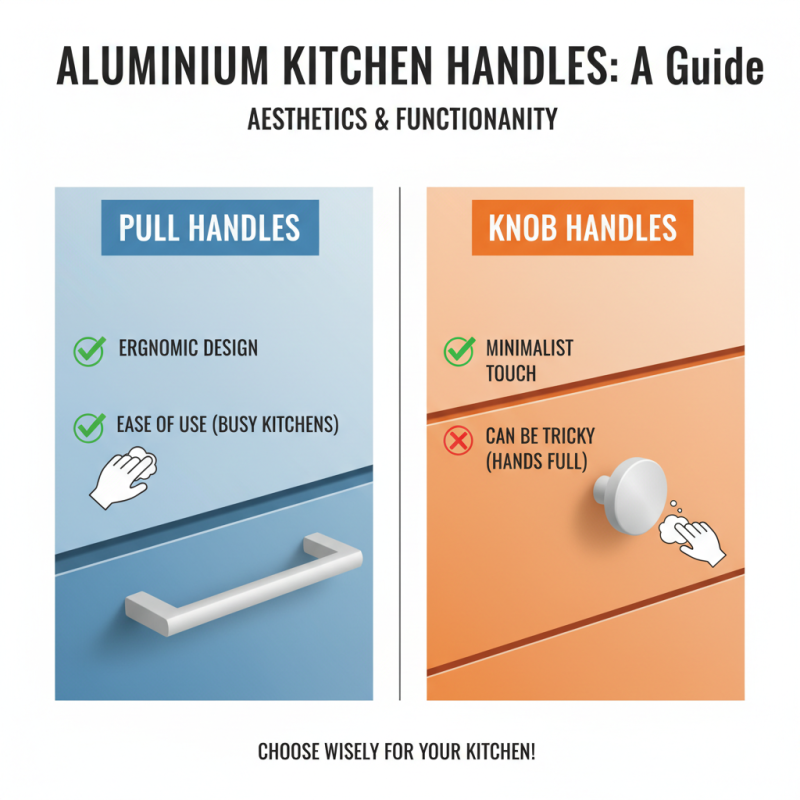
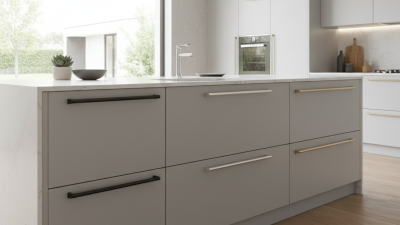
Choosing the right aluminium kitchen handle can significantly impact your kitchen's aesthetics and functionality. There are various types available, each serving different needs. A common choice is the pull handle, known for its ergonomic design. These handles are ideal for busy kitchens where ease of use is paramount. Other types include knobs, which offer a minimalist touch. They’re compact but can be tricky for some users, especially when hands are full.
Furthermore, consider the finish of the aluminium. Options range from brushed to polished. A brushed finish hides fingerprints well, while a polished look adds elegance. However, it requires more upkeep to maintain its shine. Make sure to weigh these factors carefully. Each type has its pros and cons, and personal preference plays a crucial role in the decision. When in doubt, seeking advice from experienced kitchen designers can provide clarity. Testing different handles can also reveal what feels best in your hand. Take your time and reflect on what fits your lifestyle best.
Evaluating Design and Aesthetic Preferences for Kitchen Handles
When selecting aluminium kitchen handles, aesthetics play a crucial role. A survey by the Kitchen Industry Association reveals that 70% of homeowners prioritize style over functionality. Designers recommend matching handle styles with existing kitchen features. For instance, sleek, minimalist handles often complement modern cabinetry.
Color choices significantly impact a kitchen's overall look. Recent trends indicate that matte black and brushed nickel finishes are gaining popularity. Over 40% of designers favor these hues for their versatility and modern appeal. However, personal taste varies widely. Some prefer bold colors or unique textures, which can spark creativity but may overwhelm a cohesive aesthetic.
Proportions matter too. Handles should maintain a balanced scale with cabinet doors. Oversized handles can clash with smaller cabinets, creating visual discomfort. Meanwhile, attention to detail, like the texture of the grip, enhances user experience. Finding the right balance between appearance and practicality is essential, as this often requires trial and error, leading to unique kitchen designs tailored to individual tastes.
Assessing Durability and Quality Factors in Aluminium Materials
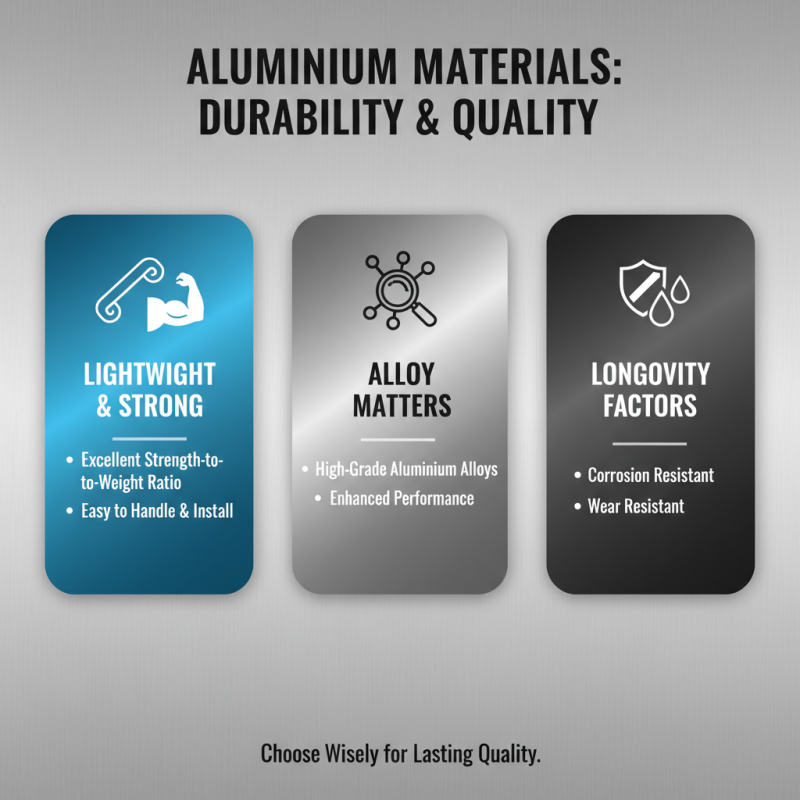
When choosing aluminium kitchen handles, durability and quality are paramount. Aluminium is lightweight yet strong, making it an excellent material. However, not all aluminium is created equal. Look for handles made from high-grade aluminium alloys. These alloys resist corrosion and wear, ensuring longevity.
Another vital aspect is the finish of the handles. Anodized finishes can enhance durability, providing additional resistance to scratches and fading. This treatment allows the metal to withstand daily use. However, some finishes may vary in quality, so inspect samples when possible.
Consider the manufacturing process as well. Handles produced with advanced technology tend to exhibit higher precision and strength. Poorly made handles can have rough edges or weak joints. These imperfections may compromise both safety and functionality. Always choose products from reputable sources to ensure quality. Keep these factors in mind for a successful selection.
Choosing the Right Size and Shape for Your Kitchen Handles
When selecting kitchen handles, size and shape are crucial. The right handle complements your kitchen’s style. A sleek, modern handle may suit a contemporary kitchen. In contrast, ornate handles fit classic designs better. Consider the overall theme of your kitchen before making choices.
Tips: Measure the distance between holes before purchasing. This simple step can save you from mismatched handles. Ensure they are comfortable to grip. Handles should not be too bulky for smaller spaces.
Think about ergonomics. A well-designed handle can make a difference in daily use. If handles are awkwardly shaped or too small, they may not feel right. Try different shapes in-store, if possible. Remember, what looks good doesn't always feel good. Aim for a balance of aesthetics and comfort to enhance your kitchen experience.
2026 Aluminium Kitchen Handle Selection: Size and Shape Preferences
Examining Cost-Effectiveness and Supplier Options for Global Buyers
Choosing aluminium kitchen handles can be a complex task for global buyers. One crucial aspect is cost-effectiveness. According to a 2023 market analysis, the average price range for aluminium handles is between $1 and $5 per unit depending on design and manufacturing process. However, buyers must consider not only upfront costs but also durability and maintenance expenses. Long-lasting handles can minimize replacement costs over time.
When evaluating suppliers, reliability is key. Look for manufacturers with a proven track record. A 2022 report indicates that 70% of successful buyers prioritize suppliers with at least five years of industry experience. This gives insight into their ability to meet quality standards. Additionally, assessing certifications and compliance with global regulations ensures the handles meet safety requirements.
Tips: Always request samples before making large orders. This helps gauge quality and design. Compare multiple suppliers for better pricing. Attending trade shows can provide valuable face-to-face connections with potential partners. Lastly, balance cost with quality; the cheapest option may not be the most effective in the long run. Consider the value you get for your investment.