Why Choose Aluminium Handrail Extrusion for Your Projects?
When considering materials for railing solutions, Aluminium Handrail Extrusion stands out for several compelling reasons. This versatile option is not only durable but also lightweight. Projects can benefit from its strength, making it ideal for both residential and commercial applications. The corrosion-resistant properties of aluminium mean long-lasting performance, even in harsh environments.
Selecting Aluminium Handrail Extrusion can enhance the aesthetic appeal of a building. Available in various finishes and styles, it offers flexibility in design. Many architects and builders trust this material due to its reliability and strength. The installation process is often straightforward, saving time and labor costs.
However, relying solely on aluminium might not be suitable for every project. Some may find it less suitable for high-traffic areas where additional reinforcement is necessary. It’s crucial to assess the specific needs of each situation. Overall, Aluminium Handrail Extrusion provides a great balance of functionality and beauty for various projects.
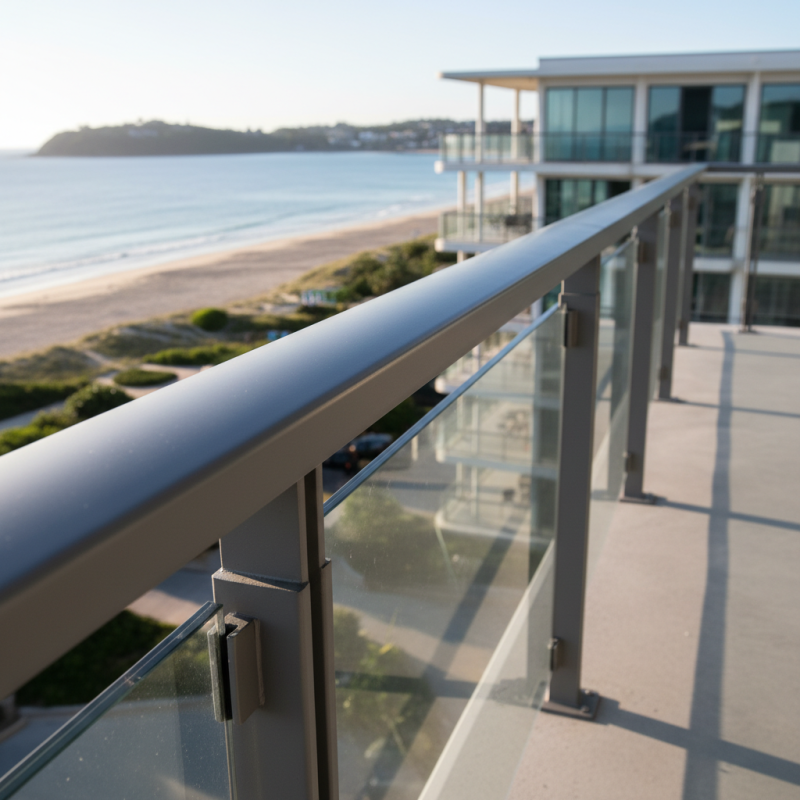
Advantages of Aluminium Handrail Extrusion Over Traditional Materials
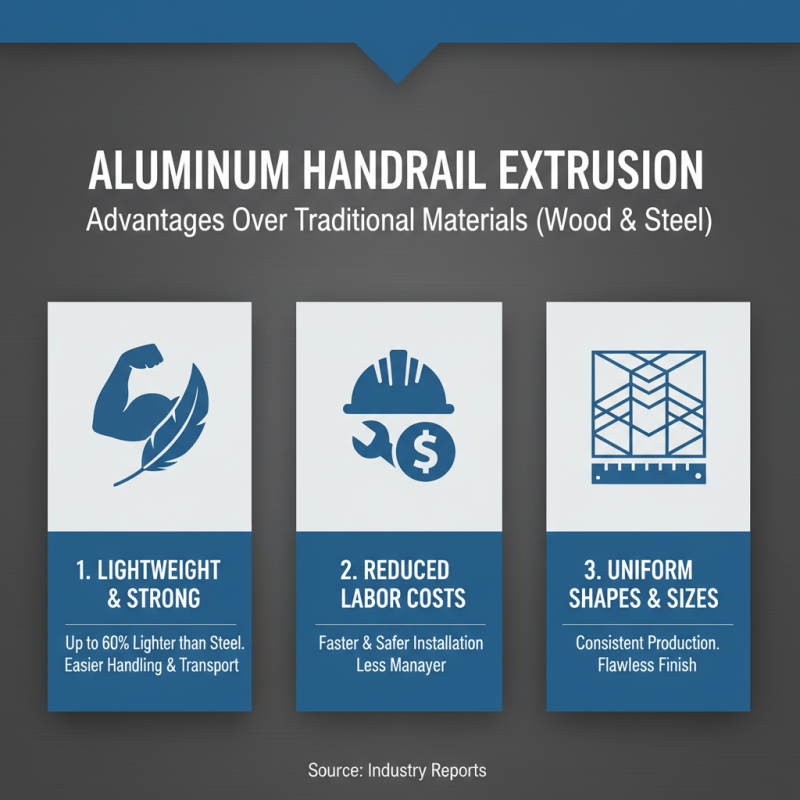
Aluminium handrail extrusion offers several advantages over traditional materials like wood or steel. Firstly, aluminium is lightweight yet strong, making it easier to handle during installation. This reduces labor costs significantly. According to industry reports, aluminium can weigh up to 60% less than steel, which facilitates quicker and safer transport on job sites. Additionally, an extrusion process allows for uniform shapes and sizes, ensuring consistency in production.
Another major advantage is the durability of aluminium. It is naturally resistant to rust and corrosion, which is crucial for outdoor applications. Studies suggest that aluminium railings can last up to 30 years with minimal maintenance, far exceeding wood's lifespan, which often requires regular painting or treatment. Furthermore, the low thermal conductivity of aluminium prevents overheating in direct sunlight, providing a comfortable grip and enhancing safety.
The recyclability of aluminium also stands out as a significant benefit. Nearly 75% of all aluminium ever produced is still in use today, according to the Aluminium Association. This not only lessens environmental impact but also offers potential cost savings for projects focused on sustainability. While some may argue that the initial investment in aluminium can be higher than wood, the long-term benefits often outweigh these upfront costs. Designers and builders are increasingly recognizing that aluminium is not just a trend, but a viable option for modern construction needs.
Key Properties of Aluminium That Enhance Handrail Performance
Aluminium handrail extrusion stands out due to its unique properties that enhance performance. The lightweight nature of aluminium makes it easy to handle and install. This attribute reduces labor costs and installation time, reflecting efficiency in projects. Additionally, aluminium doesn't rust, ensuring that the handrails maintain their appearance and functionality for years.
Another significant benefit is aluminium's strength-to-weight ratio. With proper engineering, it can withstand substantial loads without sagging. This makes it suitable for both residential and commercial spaces. Its versatility allows for various designs, from sleek modern styles to more traditional appearances. However, the quality of the extrusion process can vary, impacting durability.
One must consider the environmental factors as well. While aluminium is generally resistant to weathering, areas with high salt exposure may lead to corrosion. Choosing the right finish, such as anodizing, can help mitigate this issue. While aluminium is not perfect, its benefits often outweigh its drawbacks when utilized correctly.
Advantages of Aluminium Handrail Extrusion
This bar chart represents the key properties of aluminium that enhance handrail performance. As shown, aluminium offers excellent corrosion resistance (90%), making it ideal for outdoor projects. Its lightweight nature (80%) simplifies installation, while durability (85%) ensures longevity. Cost-effectiveness (75%) and aesthetic appeal (70%) are additional benefits that further encourage its use in various applications.
Design Flexibility and Aesthetic Appeal of Aluminium Handrails
Aluminium handrails are increasingly popular due to their design flexibility and aesthetic appeal. They can be customized in various shapes and colors, making them suitable for any project. From modern to traditional settings, aluminium can fit seamlessly into different styles. This versatility allows architects and designers to create unique structures that stand out.
When crafting a space, the visual impact of handrails matters. Aluminium offers sleek lines and a refined finish. This material is lightweight yet sturdy, ensuring safety without compromising design. Details such as powder coating can enhance durability while adding an extra layer of beauty. These choices empower designers to reflect their vision.
While aluminium handrails provide many benefits, some may overlook potential drawbacks. They can be prone to scratches if not maintained properly. In certain climates, aluminium may heat up, making it uncomfortable to touch. Designers should consider these factors. Proper planning can lead to stunning results, marrying form and function effectively.
Sustainability and Environmental Impact of Using Aluminium in Projects
Aluminium is increasingly recognized for its sustainability benefits in construction. A Life Cycle Assessment (LCA) report from the International Aluminium Institute highlights that aluminium can be recycled indefinitely without loss of quality. This property not only contributes to reduced waste but also minimizes the use of virgin materials. In fact, recycling aluminium saves around 95% of the energy required to produce new aluminium. This energy efficiency underscores the importance of aluminium in eco-conscious projects.
Moreover, the environmental impact of aluminium extending beyond production is significant. According to a study published by the European Aluminium Association, the carbon footprint of aluminium production has decreased by approximately 30% over the past two decades. Nevertheless, there are still concerns regarding emissions and energy use in smelting. Companies must address these challenges and continue to innovate for a cleaner production process. Reflection on current practices can lead to more sustainable outcomes in future projects.
Aluminium's lightweight nature also makes it an appealing option for various applications. Using lighter materials can reduce energy consumption during transportation, while still maintaining structural integrity. Industry estimates suggest that shifting to lightweight materials could lower transport-related emissions by up to 20%. Therefore, it's crucial to weigh both the advantages and challenges of incorporating aluminium in designs, exploring further improvements in sustainability.