What is an Aluminum Handrail Section Profile and its Benefits?
An Aluminum Handrail Section Profile is a vital component in modern construction. Its design combines functionality with aesthetic appeal. This profile plays a crucial role in safety and accessibility. Understanding its benefits can help homeowners and builders make informed decisions.
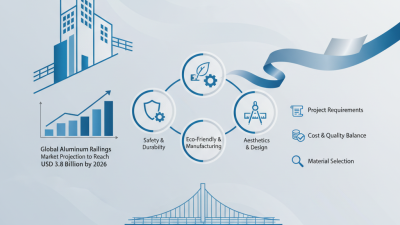
Aluminum handrails offer strength and durability. They resist rust and corrosion, making them ideal for various environments. The lightweight nature of aluminum aids in easy installation and maintenance. Furthermore, these handrails can be customized to fit unique design requirements. This specific profile can enhance any property, both residential and commercial.
However, not all aluminum profiles are created equal. Buyers should consider materials and finishes carefully. The right choice can make a significant difference in longevity and appearance. By exploring the advantages of the Aluminum Handrail Section Profile, stakeholders can elevate their projects while ensuring safety and functionality.
Understanding Aluminum Handrail Section Profiles
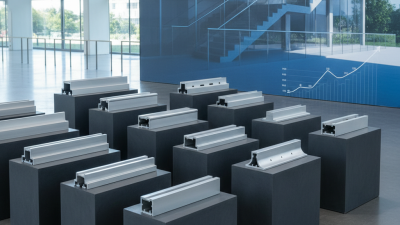
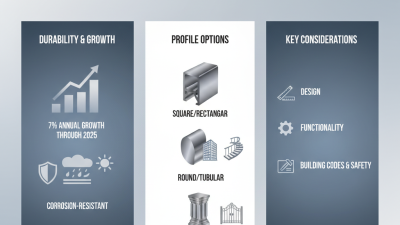
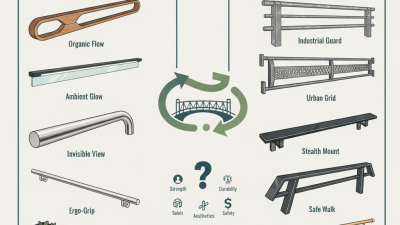
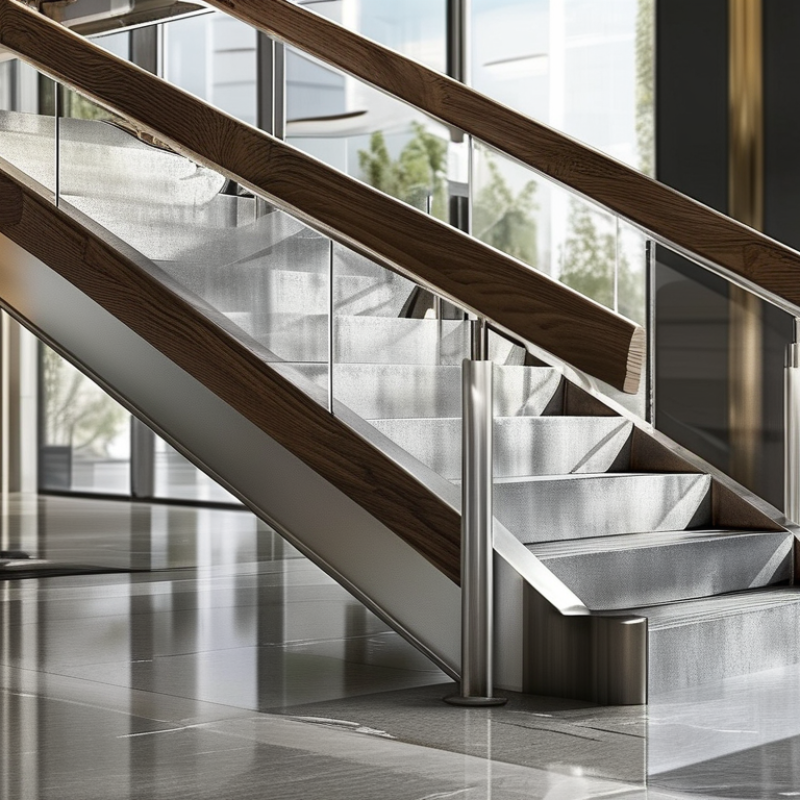
When exploring aluminum handrail section profiles, it's essential to understand their structure. These profiles are typically designed in various shapes, such as rectangular or circular. Each shape influences the handrail's strength and aesthetic appeal. Aluminum is popular because it is lightweight yet durable. This combination makes installation easier and ensures long-term performance.
The benefits of aluminum handrail section profiles are numerous. They resist corrosion, making them ideal for outdoor use. This durability leads to low maintenance costs. Additionally, aluminum can be painted or anodized in various colors. Homeowners find this customization appealing. However, the initial costs can be higher than some alternatives.
It's crucial to reflect on the environmental impact of production methods. While aluminum is recyclable, the energy used in manufacturing can be significant. Striking a balance between benefits and sustainability requires thoughtful consideration. Opting for responsibly sourced aluminum can mitigate these issues over time.
Benefits of Aluminum Handrail Section Profiles
Key Features of Aluminum Handrail Section Profiles
Aluminum handrail section profiles are designed for
functionality and aesthetics. These profiles provide safety and support in various settings, from
commercial buildings to residential patios.
A key feature is their lightweight nature. Despite being lighter than other materials,
aluminum offers remarkable strength and durability. This combination makes it an attractive choice for builders
and homeowners alike.
Another notable aspect is the versatility of aluminum profiles. They can be easily customized
to fit specific design needs. The finish options range from powder coating to anodizing,
allowing for a wide array of colors and textures. This adaptability enhances the visual appeal while ensuring they
blend seamlessly into their environment.
However, it’s essential to consider maintenance. While aluminum resists rust,
it may require periodic cleaning to maintain its appearance. Over time, the protective finishes may wear off, leading to
potential corrosion if neglected. This highlights the need for regular inspections, ensuring
long-lasting performance and aesthetic appeal.
Advantages of Using Aluminum Handrails in Various Settings
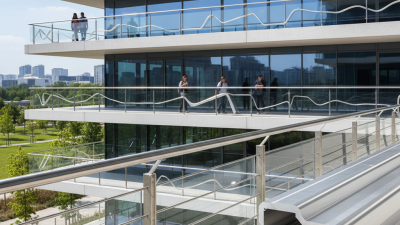
Aluminum handrails offer significant advantages across various settings. Lightweight yet durable, they resist corrosion, making them ideal for coastal areas. According to a recent industry report, aluminum handrails have a lifespan exceeding 30 years with minimal maintenance. This longevity is particularly beneficial in residential and commercial building projects.
The design flexibility of aluminum handrails allows for customization. They can fit various architectural styles while ensuring safety. Notably, the American National Standards Institute (ANSI) states that aluminum handrails meet or exceed safety standards for structural integrity. This compliance is essential in public spaces such as parks and shopping centers where safety is paramount.
In addition, aluminum can be recycled without losing its properties. This eco-friendly aspect is becoming more important to consumers. Some reports indicate that 75% of all aluminum ever produced is still in use today. However, challenges exist in terms of initial cost and installation complexity. Balancing these factors is crucial for many projects, particularly for those with tight budgets.
Maintenance Tips for Aluminum Handrail Section Profiles
Maintaining aluminum handrail section profiles is crucial for longevity and safety. First, regularly inspect the handrails for signs of wear, such as scratches or dents. Over time, these imperfections can lead to rust or corrosion if left unchecked. Applying a protective sealant can help preserve the finish and enhance durability.
Cleaning is another essential part of maintenance. Use mild soap and water to clean the surface. Avoid harsh chemicals, as they can damage the aluminum’s finish. For tough stains, a non-abrasive sponge works best. Keep in mind that the environment plays a role in maintenance needs. Coastal areas may require more frequent cleaning due to salt air.
Finally, consider the installation surroundings. If the railings are near plants or gardens, regularly check for debris buildup. Leaves and dirt can trap moisture, leading to potential damage. While aluminum is low maintenance, a proactive approach ensures a longer lifespan. Stay aware and attentive to keep your railings in top condition.
Comparing Aluminum Handrails to Other Materials
When comparing aluminum handrails to other materials, several factors come into play. Aluminum stands out for its lightweight nature. It allows for easy installation, making it a preferred choice for many contractors. Traditional materials like wood can warp, whereas aluminum stays intact. This durability is crucial for safety in both residential and commercial settings.
Cost-efficiency is another reason to consider aluminum. While initial expenses may be slightly higher than wood, maintenance costs are significantly lower. Wood requires staining and painting, while aluminum needs little more than the occasional cleaning. There’s a certain appeal to designs in aluminum. It can mimic the look of wrought iron without the added weight or corrosion issues.
However, not everyone favors aluminum. Some prefer the warmth of natural wood. The aesthetic differences can create a divide among homeowners. Aluminum can be seen as sterile compared to the organic feel of wood. This preference for texture and temperature makes it essential to weigh individual needs before choosing the right material.
What is an Aluminum Handrail Section Profile and its Benefits? - Comparing Aluminum Handrails to Other Materials
| Material |
Weight (lbs/ft) |
Corrosion Resistance |
Maintenance Requirement |
Lifespan (Years) |
Cost ($/ft) |
| Aluminum |
1.5 |
Excellent |
Low |
30-50 |
$20 |
| Steel |
4.0 |
Poor |
High |
15-30 |
$25 |
| Vinyl |
2.5 |
Good |
Moderate |
20-30 |
$15 |
| Wood |
3.0 |
Fair |
High |
10-20 |
$30 |