Ultimate Guide to Aluminum Handrail Section Profile Tips?
Aluminum handrails have gained popularity in construction and design for their durability and aesthetic appeal. The aluminum handrail section profile plays a crucial role in both safety and style. According to a report by the Aluminum Association, the global market for aluminum railings is projected to grow by over 5% annually. This trend indicates not just a preference for aluminum but also a demand for innovation in design profiles.
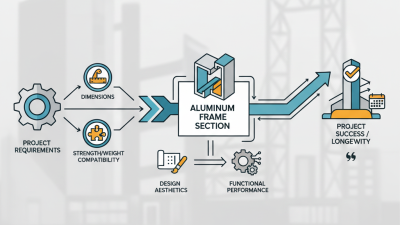
Choosing the right section profile for aluminum handrails can significantly impact a project’s outcome. The profile affects weight distribution, structural integrity, and overall user experience. A study published in Architectural Engineering Research highlights that improper selection of aluminum profiles can lead to safety hazards and increased maintenance costs. While many resources provide guidelines, there remains a lack of exhaustive data on achieving optimal performance.
In an industry driven by standards, the importance of evidence-based design becomes apparent. Professionals must understand how the aluminum handrail section profile influences both form and function. As techniques evolve, the quest for perfection must be balanced with practical reflection on design choices and their implications for long-term use.
Understanding Aluminum Handrail Profiles: An Overview of Types
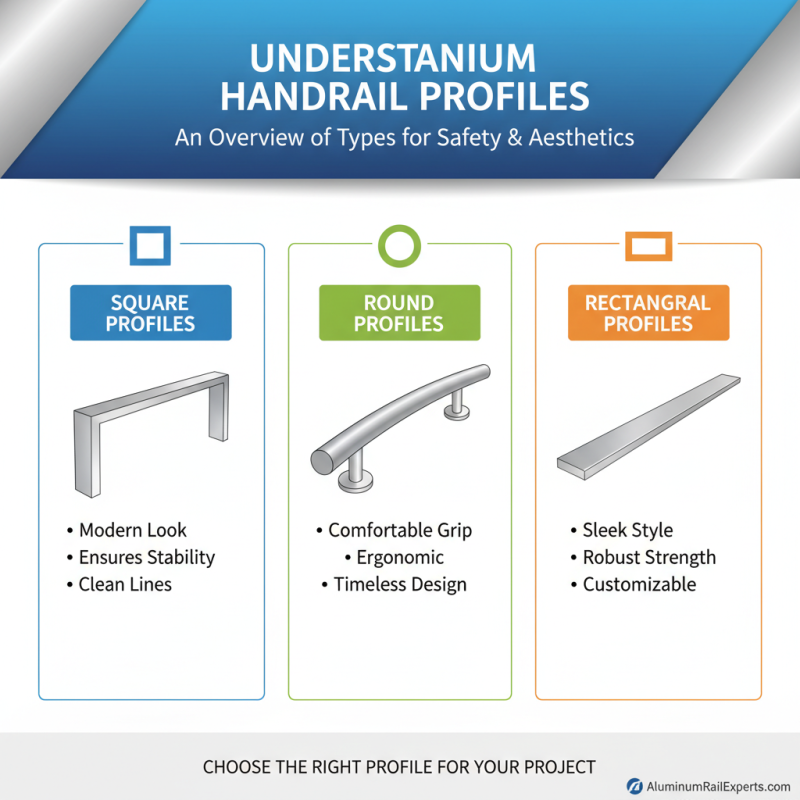
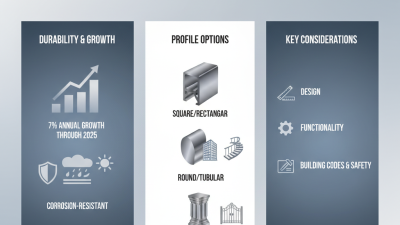
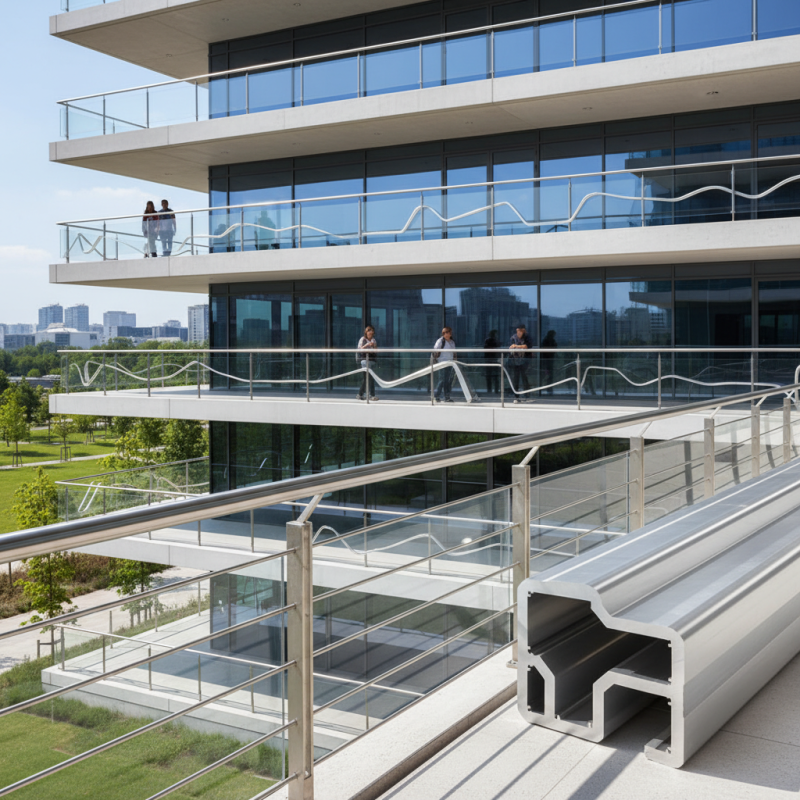
Aluminum handrail profiles are essential in enhancing safety and aesthetics. Understanding these profiles is the first step in selecting the right option for your project. The most common types include square, round, and rectangular profiles. Each offers a unique design and functional benefits. Square profiles provide a modern look while ensuring stability. Round profiles are often favored for their grip and comfort. Rectangular profiles can be customized for both sleek style and robust strength.
Choosing the right profile also involves considering the application. For outdoor use, corrosion-resistant finishes are crucial. Indoor railings, however, can focus more on visual appeal. Builders and designers often face the challenge of balancing function and style. It's vital to think about installation ease, which can vary by profile. Some profiles may require specific tools and techniques during installation, complicating the process.
Though aluminum is lightweight, it’s still important to ensure durability. The thickness of the material can make a significant difference. Many overlook this aspect, assuming all profiles are equal. In reality, thickness affects both strength and longevity. Factors such as regional climate also play a role in decision-making. Making informed choices leads to better outcomes for safety and aesthetics.
Key Dimensions and Standards for Aluminum Handrails: What You Need to Know
When selecting aluminum handrails, understanding key dimensions is critical. The Uniform Building Code (UBC) suggests that handrails must be between 34 to 38 inches in height. This range ensures safety and accessibility. A recent industry report noted that about 80% of accidents can be attributed to improper handrail dimensions. Therefore, adhering to these guidelines not only complies with legal standards but also enhances user safety.
Moreover, consider the dimensions of the handrail profiles themselves. Most profiles are designed with a 1.5-inch width for ease of grip. According to the American National Standards Institute (ANSI), the handrail should not exceed 2 inches in diameter. This is essential to provide robust support. Additionally, a radius of 0.25 inches on edges can significantly improve user comfort. While these standards exist, some implementations may overlook them, leading to slips or falls. Regular assessments of existing installations may reveal areas for improvement. Attention to detail in profile design can prevent future hazards.
Material Strength: Evaluating Aluminum Alloys for Handrail Applications
When selecting aluminum alloys for handrail applications, understanding material strength is essential. Aluminum is lightweight yet strong, making it ideal for various architectural uses. The right alloy can enhance durability and safety. Common alloys include 6061 and 6063, each offering distinct mechanical properties.
6061 features higher tensile strength and excellent corrosion resistance. This makes it suitable for outdoor handrails exposed to elements. On the other hand, 6063 is often chosen for its aesthetic finish and ease of fabrication. However, it may not withstand heavy loads as well as 6061. Evaluating the specific demands of your project will guide your material choice.
Consider the environmental factors too. Areas prone to high winds or heavy snow may require more robust alloys. It's crucial to reflect on your needs and the potential shortcomings of each material. Sometimes, choosing a lower-grade alloy can lead to compromises in safety. Always prioritize strength and longevity for handrail systems.
Installation Guidelines: Best Practices for Securing Aluminum Handrails
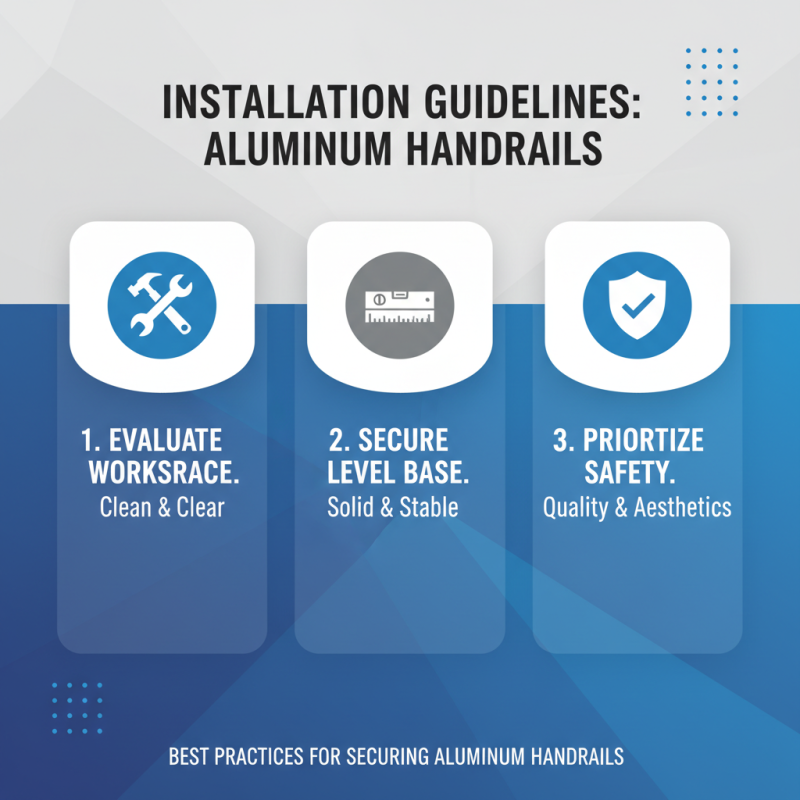
When installing aluminum handrails, proper guidelines are essential. Begin by evaluating your workspace. Ensure it's clean and free of obstructions. This can significantly affect your installation quality. Secure a solid, level base for your handrails. This step is crucial for both safety and aesthetics.
Choose the right fasteners for the material you'll be attaching to. Use corrosion-resistant screws or anchors for better long-term performance. If you're installing outdoors, consider weather conditions. Rain and humidity can impact the installation. Always pre-drill holes to avoid damaging the material. This simple tip can save you time and frustration.
Measure multiple times before cutting any sections. Precision matters. Inaccurate cuts can lead to gaps or instability. If mistakes happen, be willing to rethink your approach. Sometimes, starting over with fresh material is necessary for a better finish. Regularly step back to assess your progress. It helps to see the overall picture, ensuring everything aligns properly.
Maintenance Tips: Ensuring Longevity for Aluminum Handrails in Various Environments
Maintaining aluminum handrails is essential for their longevity, especially in diverse environments. Regular inspections are crucial. According to industry reports, 40% of handrail failures occur due to neglect in maintenance. Keeping the handrails clean can prevent corrosion. Use mild soap and water to remove dirt and grime. This simple step can extend the life of the handrails significantly.
In coastal areas, salt exposure can lead to rapid deterioration. Consider applying a protective coat to shield against salt and moisture. Regularly check for scratches or dents, which can compromise the aluminum’s protective layer. If you spot any damage, repair it promptly. These proactive measures can maintain both aesthetics and functionality.
Temperature fluctuations can also affect aluminum. In extremely hot or cold conditions, expansion and contraction can occur. It's advisable to monitor for signs of stress. Be aware of any rubbing or wear that arises from shifting elements. Such friction can lead to premature failure. Regular maintenance supports the handrail's integrity, ensuring safety for all users.
Ultimate Guide to Aluminum Handrail Section Profile Tips
This chart illustrates the relative importance of different factors to consider for aluminum handrail maintenance, with an emphasis on maximizing longevity in various environments.