Why Choose Aluminium Radiator Extrusion for Your Projects?
In today’s rapidly evolving industrial landscape, choosing the right materials for your projects is crucial. Among various options, Aluminium Radiator Extrusion stands out for its unique properties. This manufacturing process offers unparalleled flexibility and efficiency in design. It allows for customized shapes and sizes, catering to specific project requirements.
Aluminium is known for its lightweight yet robust nature. This makes it ideal for applications where both strength and portability are essential. Additionally, Aluminium Radiator Extrusion provides excellent thermal conductivity. This property ensures that heating systems operate efficiently. Project managers often encounter challenges when selecting materials. Understanding the benefits of Aluminium Radiator Extrusion can simplify this decision-making process.
However, like any choice, there are factors to consider. The initial costs of extrusion might be higher compared to other materials. It's essential to analyze the long-term benefits versus upfront expenses. Furthermore, while extrusion offers customization, it might not be suitable for every application. Weighing these pros and cons will ensure informed decisions for your projects.
Understanding Aluminium Radiator Extrusion
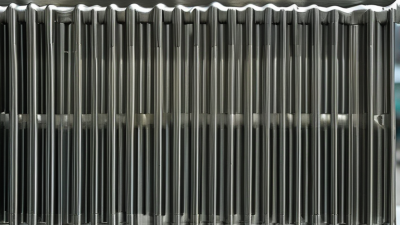
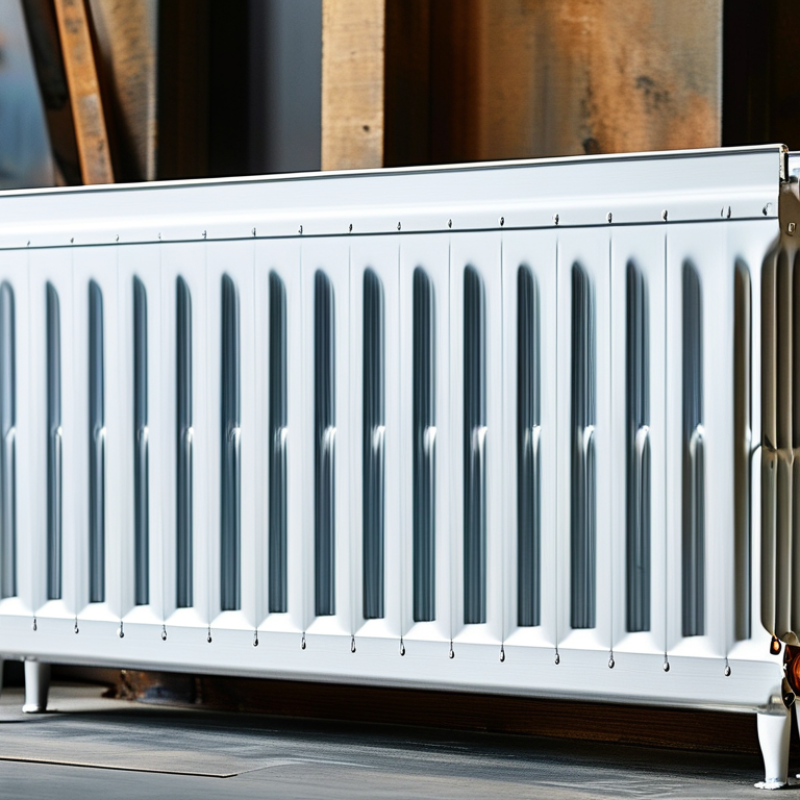
Aluminium radiator extrusion is gaining popularity for various projects. This method offers exceptional strength and lightweight properties. The extrusion process allows for precise shaping, enabling efficiently designed radiators that can fit unique specifications. The result is a high-performing product, ideal for industrial and residential applications.
When considering this option, think about the thermal efficiency. Aluminium can dissipate heat effectively, which enhances performance. It’s also corrosion-resistant, providing longevity. However, not all projects require this material. Budget constraints and specific design needs might lead you to explore alternatives.
Tips: Ensure you evaluate your project requirements carefully. Conduct thorough research on extrusion techniques. This will help in making informed decisions. Don’t overlook testing smaller prototypes. Sometimes, real-world applications reveal more than theoretical advantages.
Advantages of Using Aluminium in Radiator Design
Aluminium radiators offer numerous advantages for effective heating solutions. One significant benefit is their lightweight nature. This characteristic simplifies installation and reduces transportation costs. Moreover, aluminium's thermal conductivity is remarkable, enabling quick heat distribution. This means spaces warm up faster, enhancing overall comfort.
The durability of aluminium is another compelling factor. Unlike other materials, it resists corrosion and rust. This resistance ensures a longer lifespan. However, it’s essential to be mindful of the occasional dents or scratches, which can affect aesthetics. Regular maintenance helps keep the radiators looking good and functioning efficiently.
Energy efficiency is a crucial consideration. Aluminium radiators heat up quickly, leading to less energy consumption. Yet, they also require careful design to optimize performance. Thoughtful placement and sizing are vital to maximizing their benefits. Investing in an aluminium radiator requires reflection on specific project needs and potential challenges.
Key Factors to Consider When Choosing Aluminium Extrusions
When considering aluminium extrusions for your projects, several factors play a crucial role. The first aspect is the material's durability. Aluminium is resistant to corrosion and can withstand harsh environments. This means less maintenance over time, saving you costs in the long run. However, it's essential to assess the specific alloy used. Not all aluminium grades offer the same strength and performance.
Another key factor is the design flexibility provided by aluminium extrusion. The process allows for creating complex shapes. This capability helps projects that require tailored components. However, there is a risk of over-designing. Too many intricate details can complicate manufacturing and increase costs.
Finally, consider the sustainability aspect of aluminium. It is highly recyclable, making it an environmentally friendly choice. Many projects aim for sustainable materials, and aluminium aligns well with this goal. Yet, excessive reliance on recycled materials can sometimes lead to quality inconsistencies. Careful selection and testing of materials are essential to ensure optimal performance.
Environmental Benefits of Aluminium Radiator Production
Aluminium radiator extrusion presents significant environmental advantages. Producing aluminium is less energy-intensive compared to other metals. According to the International Aluminium Institute, recycling aluminium saves up to 95% of the energy needed for new production. This highlights the sustainability of using recycled materials in radiator manufacturing.
The lightweight nature of aluminium reduces transportation emissions. A lighter product means less fuel consumption and lower greenhouse gas emissions. Furthermore, aluminium radiators typically have a longer lifespan, contributing to reduced waste over time. Their ability to efficiently conduct heat also means that they require less energy to operate.
**Tip:** Consider sourcing extruded aluminium from local suppliers to further minimize your carbon footprint.
However, challenges exist. The production process can still generate waste and emissions, particularly if not managed carefully. Companies must prioritize sustainable practices to enhance their environmental impact.
**Tip:** Engage with suppliers who implement environmentally friendly practices in their manufacturing processes.
Aluminium's continual recycling capability makes it an ideal choice for eco-conscious projects. This material not only supports energy efficiency but also promotes a circular economy in construction and manufacturing sectors.
Environmental Benefits of Aluminium Radiator Production
Applications and Innovations in Aluminium Radiator Extrusion
Aluminium radiator extrusion is gaining traction in various industries. Its lightweight nature paired with excellent thermal conductivity makes it ideal for heating and cooling applications. These characteristics are essential in automotive, HVAC, and even electronics. In automotive engineering, for instance, aluminium extrusions are used to create efficient radiator cores. They help conserve energy while improving performance.
In the HVAC sector, aluminium radiators offer increased efficiency. Their design allows for quick heat dissipation, resulting in lower energy costs. Furthermore, innovations in extrusion techniques have led to a wider variety of shapes and sizes. This flexibility enables designers to create custom solutions that fit unique project requirements.
Tips: When selecting aluminium radiators, consider the specific application. Ensure the dimensions fit your design without compromising functionality. It’s crucial to evaluate the thermal performance to align with your project's standards. Be prepared to explore different extrusion methods; they can significantly affect the final product's effectiveness. Reflect on potential challenges, like supply chain issues. This will help you stay ahead in your planning and execution.