2026 Top Aluminium Radiator Extrusion Features and Benefits?
The landscape of industrial design is evolving rapidly, with innovative materials taking center stage. Among these, Aluminium Radiator Extrusion stands out for its unique properties and versatility. This material is not just about functionality; it also brings a level of aesthetic appeal to various applications. The extruded aluminium radiators are lightweight yet robust, making them an ideal choice in many industries.
One of the crucial features of Aluminium Radiator Extrusion is its excellent thermal conductivity. This property ensures efficient heat transfer, a vital aspect in applications like automotive and HVAC systems. Moreover, the extrusion process enables manufacturers to create complex shapes and sizes that are tailored to specific needs. Yet, despite these advantages, it’s essential to question if the current market fully utilizes aluminium’s capabilities.
While Aluminium Radiator Extrusion presents numerous benefits, challenges remain. Quality control during production is vital to achieve the desired outcomes. Companies must invest in precise manufacturing techniques and materials testing. A proactive approach can lead to innovative solutions that enhance performance while staying cost-effective. The future of aluminium in various sectors lies in addressing these challenges head-on.
Key Characteristics of the 2026 Aluminium Radiator Extrusion Design
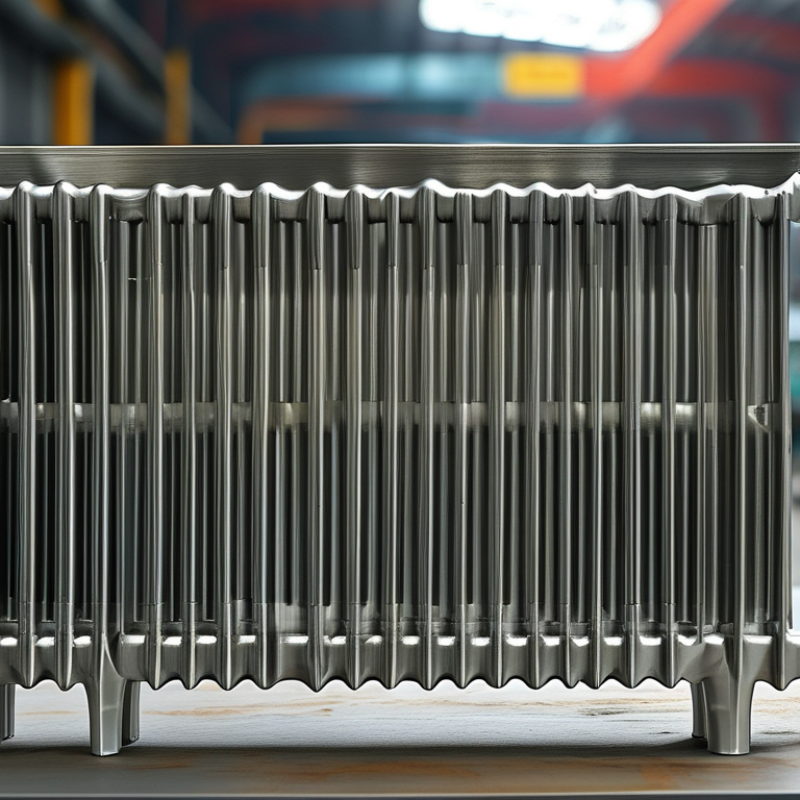
The design of the 2026 aluminium radiator extrusion features innovative characteristics that set it apart. One key element is its lightweight construction. This allows for easy installation and agile handling during manufacturing and assembly. The reduction in weight does not compromise durability, adding an impressive strength-to-weight ratio.
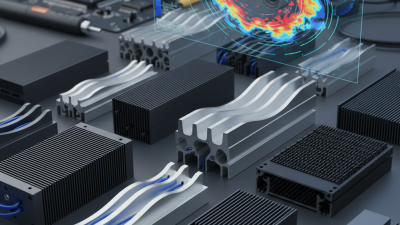
Another noteworthy aspect is the efficient thermal conductivity. The extrusion process optimizes the aluminium’s ability to dissipate heat effectively. This ensures that the radiator operates efficiently under varying temperatures. Enhanced heat transfer capabilities promote better performance in diverse applications.
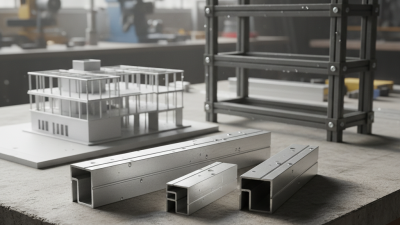
Precision engineering is evident in the uniform cross-section profile. This feature minimizes material waste during production, increasing overall efficiency. However, achieving this level of precision can be challenging. Even minor deviations can lead to significant performance issues. Continuous improvement and careful monitoring are essential in overcoming these challenges. The advancements in design signify progress, but they also highlight the need for ongoing evaluation and refinement.
Advantages of Using Aluminium in Radiator Manufacturing
Aluminium has become a preferred material in radiator manufacturing for several reasons. Its lightweight nature makes it easier to handle during installation. According to a 2023 industry report, aluminium radiators can reduce the total weight of cooling systems by up to 40% compared to steel options. This advantage not only improves installation efficiency but also enhances fuel economy in vehicles.
The thermal conductivity of aluminium is another significant factor. Reports indicate that aluminium can transfer heat about four times more efficiently than steel. This results in quicker heating and cooling times, which is vital in automotive and industrial applications. However, the thermal performance can vary depending on the alloy used and the design specifics. Manufacturers need to carefully select the right aluminium alloy to maximize efficiency.
Corrosion resistance is a well-documented benefit of aluminium as well. While it naturally forms a protective oxide layer, this can be both a boon and a challenge. On the one hand, it prolongs the life of the radiator; on the other hand, improper maintenance can lead to issues if the protective layer is damaged. Thus, while aluminium offers numerous advantages, manufacturers must balance these benefits with the necessary upkeep to ensure optimal performance.
Comparative Analysis of Aluminium vs. Other Materials for Radiators
When comparing aluminium to other materials for radiators, several factors come into play. Aluminium stands out due to its lightweight nature. This property allows for easier handling and installation. Additionally, aluminium offers excellent thermal conductivity. It effectively dissipates heat, making it a preferred choice for efficient heating systems.
However, there are some drawbacks to consider. Aluminium can be prone to oxidation, which may impact its longevity. This can lead to corrosion in certain environments. Some alternatives, like steel, offer greater strength and may be more suitable in harsher conditions.
Tips: Always assess your environment when choosing radiator materials. Also, consider the installation process—some materials can complicate this step. Lastly, factor in maintenance needs. Regular checks can prolong the lifespan of any radiator.
Innovative Technologies in Aluminium Radiator Extrusion for 2026
Aluminium radiator extrusion has evolved significantly, especially with innovative technologies emerging in 2026. A notable advancement is the use of advanced alloys. These materials improve thermal conductivity by up to 15%, enhancing heat dissipation. This property allows radiators to operate more efficiently, contributing to energy savings. Additionally, these alloys can withstand higher pressures, which is crucial for safety and reliability.
Moreover, automation in the extrusion process has streamlined production. Automated systems reduce human error and increase consistency across batches. Reports suggest that this can raise production efficiency by 20%. Such enhancements result in lower manufacturing costs, allowing for competitive pricing. However, the reliance on technology also poses challenges. Skill gaps in the workforce may slow adoption rates of these innovations.
Furthermore, sustainability is a key focus for the aluminium sector. Extrusion processes now often utilize recycled materials. This shift can lower the carbon footprint of the production cycle. A report from the Aluminium Association highlights that using recycled aluminium reduces energy consumption by 95% compared to new extraction. While these benefits are promising, the industry must address the recycling infrastructure's limitations to fully capitalize on these advancements.
2026 Top Aluminium Radiator Extrusion Features and Benefits
| Feature |
Description |
Benefits |
| High Durability |
Aluminium radiators are resistant to corrosion and have a long lifespan. |
Reduced replacement costs and longer product life. |
| Lightweight |
Aluminium is significantly lighter than other metals, making installation easier. |
Easier handling and reduced shipping costs. |
| Thermal Efficiency |
Excellent heat conductivity ensures effective heating. |
Improved performance and lower energy costs. |
| Eco-Friendly |
Aluminium is recyclable and has a lower environmental impact during production. |
Support for sustainability and reduced carbon footprint. |
| Customizability |
Easily extruded into complex shapes for various applications. |
Versatile designs tailored to specific needs. |
Environmental Impact and Sustainability of Aluminium Radiators
Aluminium radiators are gaining attention due to their environmental benefits. These radiators are lightweight and highly efficient. Their ability to conduct heat effectively reduces energy consumption in homes. This efficiency translates to lower carbon emissions, a critical factor in combating climate change.
Sustainability is another key point. Aluminium is 100% recyclable, which means old radiators can be repurposed. This reduces waste and conserves resources. However, extracting and processing aluminium can be energy-intensive. Companies need to improve these processes to enhance sustainability further.
There's also the issue of aesthetics. Many homeowners seek attractive designs, yet they must also consider environmental impacts. Balancing beauty and sustainability can be challenging. Consumers should reflect on their choices and consider the lifecycle of products. Understanding both the benefits and potential drawbacks is essential for making informed decisions.
2026 Aluminium Radiator Features and Benefits