7 Tips for Choosing Aluminum Balustrade Profiles
Choosing the right Aluminum Balustrade Profiles affects safety, appearance, installation time, and long-term maintenance. A balcony may look simple, yet every profile must work with the glass, fixings, handrail, and supporting structure. Small choices matter. A narrow channel can create alignment problems. A poorly protected finish may show stains near the coast. These details often appear only after installation.
This guide shares seven practical tips based on common project requirements and real installation considerations. It explains how to assess profile strength, dimensions, surface treatment, drainage, compatibility, and supplier reliability. Always check local building requirements and obtain professional confirmation for load-bearing applications. Product data should include dimensions, alloy information, finish specifications, and testing details. Clear documentation builds confidence.
Looks can mislead.
A matte black profile may suit a modern terrace, but it can reveal scratches more easily. A polished finish may appear attractive indoors, while outdoor exposure demands stronger protection. Measure the site carefully, including corners, slopes, fixing points, and glass thickness. One overlooked millimetre can create expensive adjustments later. Even experienced installers occasionally underestimate wind exposure or drainage needs. That is worth reflecting on before ordering materials. The best choice is not always the cheapest or most decorative option. It should balance safety, durability, maintenance, and visual consistency. With careful comparison, these seven tips can help you choose profiles that perform reliably and support a cleaner, more professional result.
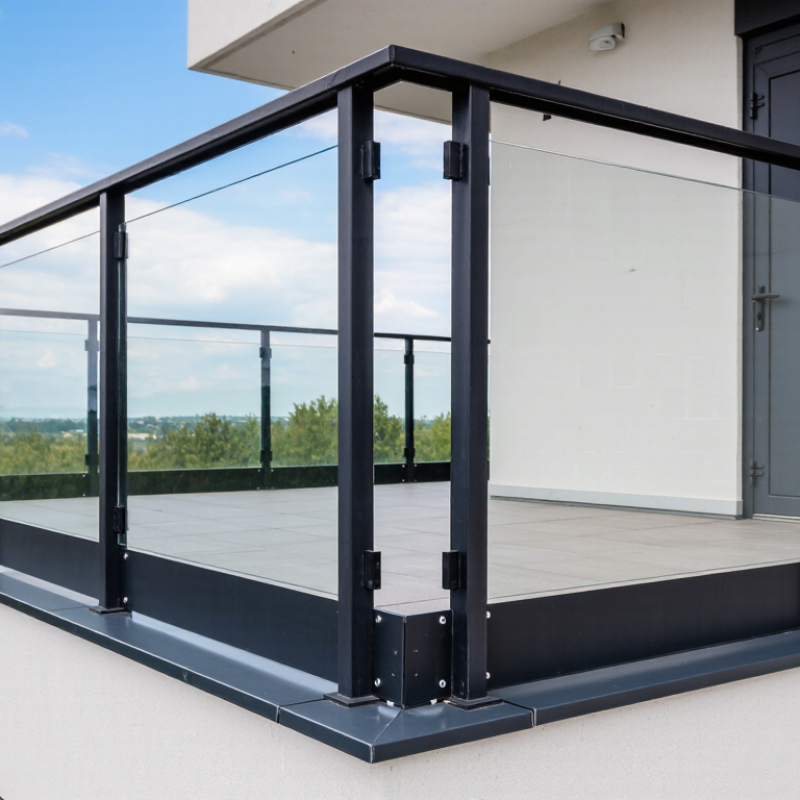
Define Safety and Project Requirements
7 Tips for Choosing Aluminum Balustrade Profiles
Define Safety and Project Requirements
Before comparing aluminum balustrade profiles, define how the system will be used. A balcony, stairway, rooftop, and public walkway face different risks. Record the platform height, edge condition, expected traffic, and exposure to wind.
Do not guess. Measure twice.
Check the applicable building codes and project specifications before selecting profile sizes. A qualified engineer should review guard height, opening limits, handrail position, and required loads. These details vary by location and building type. A profile that looks strong may still fail if its base connection is weak. Anchor spacing, fastener grade, substrate strength, and installation depth deserve equal attention.
Think about real site conditions. Is the slab cracked, uneven, or close to the edge? Will installers need adjustable connectors? Coastal projects may require better corrosion resistance, sealed joints, and careful drainage. Water trapped inside a profile can create problems later.
Small details matter.
Prepare a simple requirement sheet before requesting quotations. Include profile dimensions, finish, span, infill type, fixing method, and testing requirements. Avoid choosing from appearance alone. A slim rail may suit a private terrace but feel unsuitable beside a busy stairway. Some early assumptions may be wrong. Recheck them against drawings, site measurements, and professional advice.
Choose Profile Dimensions for Strength and Stability
Choose Profile Dimensions for Strength and Stability
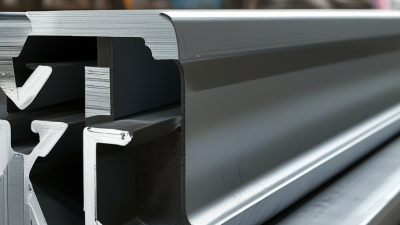
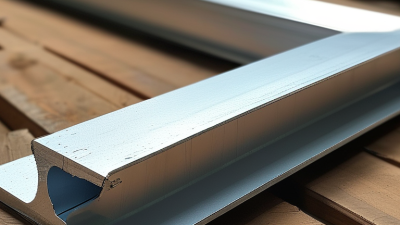
A balustrade profile must resist more than its own weight. People lean, push, and sometimes impact the railing unexpectedly. The Aluminum Design Manual lists aluminum’s density at approximately 2,700 kg/m³ and its elastic modulus near 69 GPa. It is lightweight, but it is not automatically stiff. A narrow profile may deflect visibly, even when it does not fail.
Tip 1: Match profile depth to the span. Longer spans need greater section depth or closer supports. Designers should check bending, deflection, connection strength, and local buckling. Eurocode 9 provides aluminum design guidance, while EN 1991-1-1 supplies applicable imposed-load principles for building use. Do not select dimensions by appearance alone. That mistake is common.
Tip 2: Treat the post, handrail, and base connection as one system. A strong rail cannot compensate for weak anchors or thin base plates. Tip 3: Compare the profile’s moment of inertia, not only its outside width. A deeper hollow section usually improves stiffness efficiently. Tip 4: Allow for tolerances and drainage. Trapped water can accelerate corrosion around fasteners and joints. Tip 5: Request project-specific calculations from a qualified structural professional. Published load values vary by location and occupancy. My practical concern is simple: a profile that feels rigid in a showroom may perform differently after installation, temperature changes, and repeated use.
Evaluate Design Compatibility and Installation Needs
Choosing Aluminum Balustrade Profiles
Evaluate the building’s character before selecting an aluminum balustrade profile. The design should complement nearby doors, windows, walls, and flooring. Compare the profile width, corner shape, finish, and handrail proportion beside existing materials. A slim rail may suit a compact balcony, while a heavier section can balance a broad staircase. Look closely in daylight. Samples often appear darker indoors.
Installation needs can change the best design. Measure the finished floor level, opening width, post spacing, and stair angle before ordering materials. Identify the substrate as reinforced concrete, brickwork, timber, or a lightweight wall. Each surface may require different fixing methods. Check where water could collect around base plates, especially on exposed balconies. Small drainage gaps matter. Confirm compatibility with anchors, fasteners, glass panels, or vertical infill. Installation drawings should match the actual site.
Real sites rarely match the original sketch perfectly. A column may be slightly out of square, or a stair nosing may reduce clearance. Allow adjustment points, accurate templates, and enough access for tools. Attractive layouts can become awkward when installers cannot tighten fixings near a wall. That detail is easy to miss. Review the profile, fixing system, maintenance access, and final measurements with a qualified professional familiar with local building standards. If something feels forced, revise it; a small spacing change can improve installation and daily comfort.
Verify Standards, Supplier Quality, and Long-Term Maintenance
Seven practical checks can make aluminum balustrade profiles safer and easier to maintain. Confirm the required line load before choosing a section. EN 1991-1-1 provides imposed-load guidance, but local building rules may differ. Ask for alloy, temper, wall-thickness, and deflection data. A slim profile may look elegant. It may also flex too much.
Check whether fabrication follows EN 1090-3 or an equivalent execution standard. Request mill certificates, welding procedures, and batch traceability. Supplier quality matters beyond polished samples. Inspect cut ends, corner joints, fasteners, and drainage paths. Poorly sealed connections can trap water and create stains. Request coating evidence against AAMA 2603, 2604, or 2605, depending on exposure. Coastal sites need stricter pretreatment and coating control. I once saw a new-looking railing fail early because saltwater entered an unprotected joint.
Plan maintenance before installation. Rinse exposed profiles with clean water, especially after storms or nearby construction. Use mild detergent, soft cloths, and avoid abrasive pads. Inspect fasteners, gaskets, and coating damage twice yearly. Keep records with photographs. The International Aluminium Institute reports that recycled aluminum uses roughly 5% of the energy required for primary production, making repair and component replacement worthwhile. Still, recycling does not excuse weak design. Ask the supplier for spare-profile availability, cleaning instructions, and a written warranty. Seven checks are better than attractive assumptions.