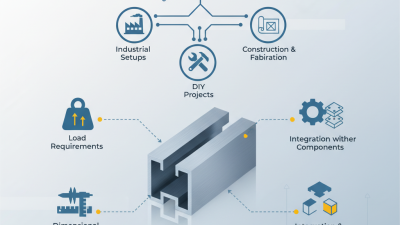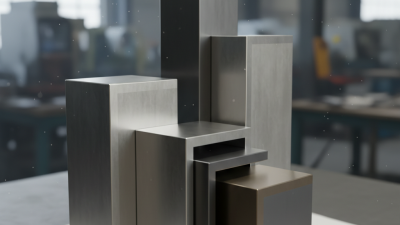
In the modern manufacturing landscape, versatility and efficiency are paramount. The use of Extruded Aluminum T Slot Profiles has revolutionized how structures and frameworks are designed. These profiles offer users the ability to create customizable solutions with ease. From workstations to assembly lines, their applications are vast and varied.
Extruded Aluminum T Slot Profiles boast a lightweight yet sturdy construction. This balance enhances strength while reducing the overall weight, making them ideal for mobile setups. Engineers and designers appreciate the flexibility these profiles provide. They can be easily cut, connected, and modified to suit specific needs. However, this flexibility can sometimes lead to hasty decisions in design.
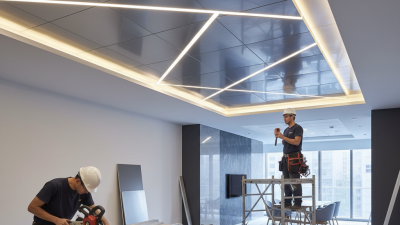
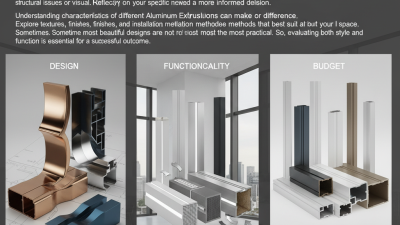
Moreover, the aesthetic appeal of Extruded Aluminum T Slot Profiles cannot be overlooked. Their sleek, modern look fits well in any workspace. Yet, users must remember that functionality should not be sacrificed for appearance. Ensuring the right balance is crucial. Understanding both the advantages and potential pitfalls of these profiles will lead to more successful outcomes.
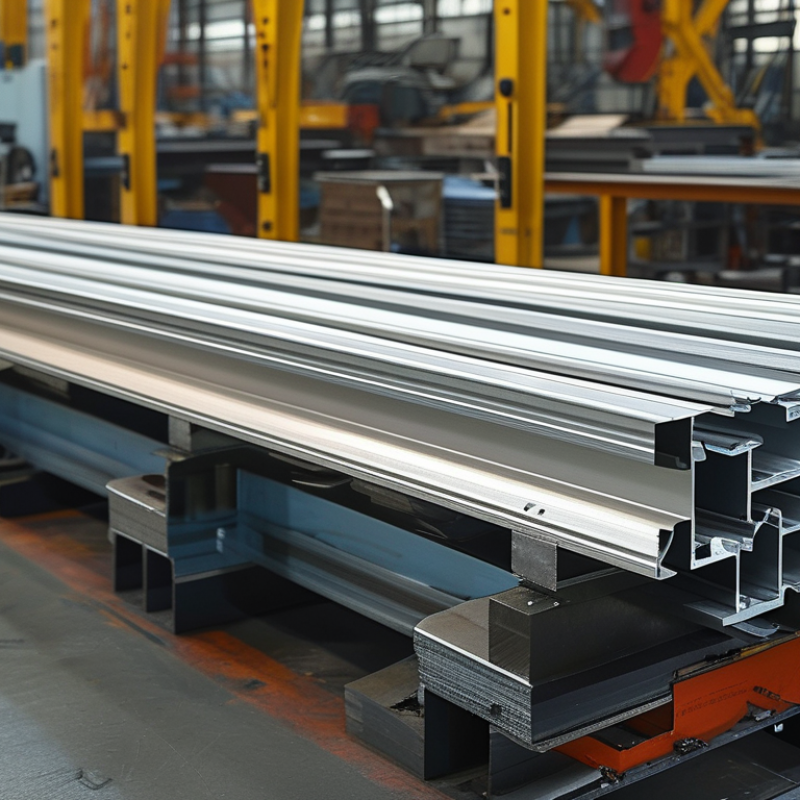
Extruded aluminum T slot profiles are revolutionizing various industries. Their unique design allows for versatile applications in construction and manufacturing. The global market for these profiles is expected to grow significantly, with a projected CAGR of 5.1% from 2020 to 2027, according to a recent industry report. This growth reflects the increasing demand for modular systems that can be easily reconfigured.
Understanding the benefits of extruded aluminum T slot profiles goes beyond their adaptability. These profiles provide a lightweight yet sturdy solution. They withstand significant loads due to their structural integrity, making them ideal for conveyor systems and workstations. Industry data indicates that projects using these profiles can reduce assembly time by 40%. This efficiency saves both time and labor costs, proving practicality.
While these profiles offer various advantages, it’s important to acknowledge potential limitations. The initial investment can be higher compared to traditional materials. Additionally, customized designs may lead to longer lead times. Engineers must weigh these factors against the flexibility and durability benefits. The learning curve associated with understanding T slot systems can also be challenging for newcomers. Therefore, thorough research and planning are crucial before implementation to ensure optimal outcomes.
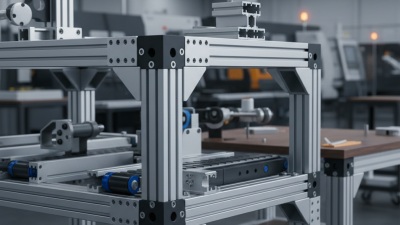
T-slot profiles made from extruded aluminum are revolutionizing design applications across various industries. Their adaptability allows engineers and designers to create custom structures with ease. According to a report from the Aluminum Association, more than 43% of aluminum usage in manufacturing comes from such profiles. This high percentage highlights their vital role in modern design.
The versatility offered by T-slot profiles enables infinite configurations. They can be quickly assembled or modified, which is a significant advantage. A recent study indicated that businesses utilizing modular systems enhanced their production efficiency by 30%. This adaptability is particularly beneficial when projects require frequent design iterations or adjustments, a common challenge in today's fast-paced market.
Visualize a workspace where equipment can effortlessly be reconfigured. T-slot profiles support mounting various components, like sensors and screens, without complex tools. However, some designers might face a learning curve when first engaging with these systems. Understanding the best practices for assembly can take time. Nevertheless, the long-term benefits often outweigh initial hurdles, reinforcing the value of these profiles in any design toolkit.
T Slot systems are becoming increasingly popular in various industries. Their ease of assembly offers significant advantages. These profiles are designed for straightforward joining, eliminating the need for specialized tools. This aspect drastically reduces labor costs. According to a recent industry report, companies can save up to 30% in assembly time using T Slot systems compared to traditional methods.
Modularity is another key benefit of T Slot profiles. Users can easily adapt and modify structures as project requirements change. A modular approach enhances flexibility and can lead to sustainable practices. Research shows that modular designs can cut material waste by 20%. However, it’s essential to plan configurations carefully to avoid costly reworks later.
While T Slot systems offer many advantages, they may not be customizable enough for some complex projects. This limitation can lead to challenges in brainstorming innovative solutions. Users should keep this in mind. Overall, T Slot systems provide a robust framework for modern assembly, marrying efficiency with design flexibility.
Extruded aluminum T-slot profiles are known for their lightweight yet durable nature. This combination makes them an ideal choice for various applications, from construction to machine framing. Aluminum is inherently lighter than steel, allowing for easier handling and transportation. Despite this lightweight quality, extruded aluminum is also incredibly strong, able to withstand significant loads without deformation.
The durability of extruded aluminum comes from its resistance to corrosion. Unlike steel, aluminum does not rust when exposed to moisture. This property not only extends the lifespan of the profiles but also reduces maintenance efforts. Moreover, the structural integrity of these profiles ensures that they perform reliably over time. It's important to carefully assess the specific demands of each project, as extruded aluminum may not be the best material in all situations.
Another consideration is the manufacturing process. Extrusion allows for precision engineering, which results in consistent dimensions and quality. However, some applications might require more customized solutions. Balancing weight and strength can sometimes be challenging, and users must reflect on the unique requirements of their projects. Understanding these benefits and limitations is crucial for making informed decisions about using extruded aluminum T-slot profiles.
| Benefit | Description | Application |
|---|---|---|
| Lightweight | Extruded aluminum is much lighter than steel, making it easier to handle and transport. | Machinery frames, enclosures |
| Durability | Offers excellent resistance to corrosion and wear. | Outdoor applications, industrial setups |
| Customizable | Profiles can be easily cut and assembled to fit specific needs. | Workstations, display stands |
| Recyclable | Aluminum can be recycled without losing its quality. | Sustainable building practices, eco-friendly projects |
| Ease of Assembly | Quick and easy to assemble with standard tools, no welding required. | Modular systems, furniture |
| Aesthetic Quality | The sleek, modern look of aluminum enhances overall design. | Interior design, art installations |
| High Strength-to-Weight Ratio | Provides strength similar to heavier materials while being lightweight. | Bridges, frames |
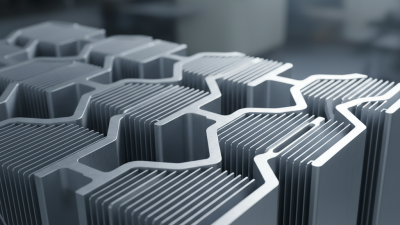
| Thermal Conductivity | Excellent conductor of heat for applications needing heat dispersion. | Electronic housings, heat exchangers |
| Integration with Other Materials | Easily combines with other materials for improved performance. | Hybrid systems, machinery design |
| Cost-Effectiveness | Lower lifecycle costs due to durability and recyclability. | Manufacturing, construction |
Extruded aluminum T slot profiles offer a significant advantage in terms of cost-effectiveness and sustainability. These profiles can be recycled up to 100%, making them an environmentally friendly choice. According to the Aluminum Association, recycling aluminum saves 95% of the energy required for primary production. This aspect appeals to companies looking to reduce their carbon footprint.
Furthermore, T slot profiles are versatile, allowing for efficient design customization. The fabrication process is straightforward, which reduces labor costs and time significantly. Reports suggest that using T slot profiles can decrease project lead times by around 30%. However, some industries still underutilize these innovative solutions, potentially missing out on the economic benefits and efficiency they bring. It’s crucial to consider the long-term savings versus initial costs, as investing in T slot profiles can yield greater returns.
A less explored area is the impact of manufacturing quality standards. If quality is not maintained, it can lead to higher rejection rates and additional costs. Being mindful of this aspect can help industries remain competitive while adhering to sustainability goals. Ultimately, understanding the cost and environmental benefits of T slot profiles is vital for responsible production practices today.