China Top 10 Aluminum Handle Extrusions to Consider for Your Projects?
When planning your next project, consider the significance of choosing the right materials. Aluminum Handle Extrusions stand out in this category. These products are lightweight yet durable, making them ideal for various applications. In construction and manufacturing, the right handle extrusions can improve both functionality and aesthetics.
China offers a diverse range of Aluminum Handle Extrusions, ensuring options for various needs. High-quality extrusions can enhance the usability of many products. Yet, not all aluminum extrusions are created equal. It's essential to select those that meet industry standards. While many manufacturers claim excellence, some may not deliver.
In selecting aluminum handle extrusions, experience plays a crucial role. A well-informed choice can save time and costs in the long run. Remember, the details matter. A small inconsistency in quality can lead to bigger problems. Think carefully about your specific applications and requirements. Make decisions based on informed choices, ensuring your project’s success.
Factors to Consider When Selecting Aluminum Handle Extrusions
When selecting aluminum handle extrusions, several factors are crucial. Understanding the material's properties is essential. Aluminum is lightweight, resistant to corrosion, and durable. These characteristics make it a popular choice for various projects, including furniture and appliances.
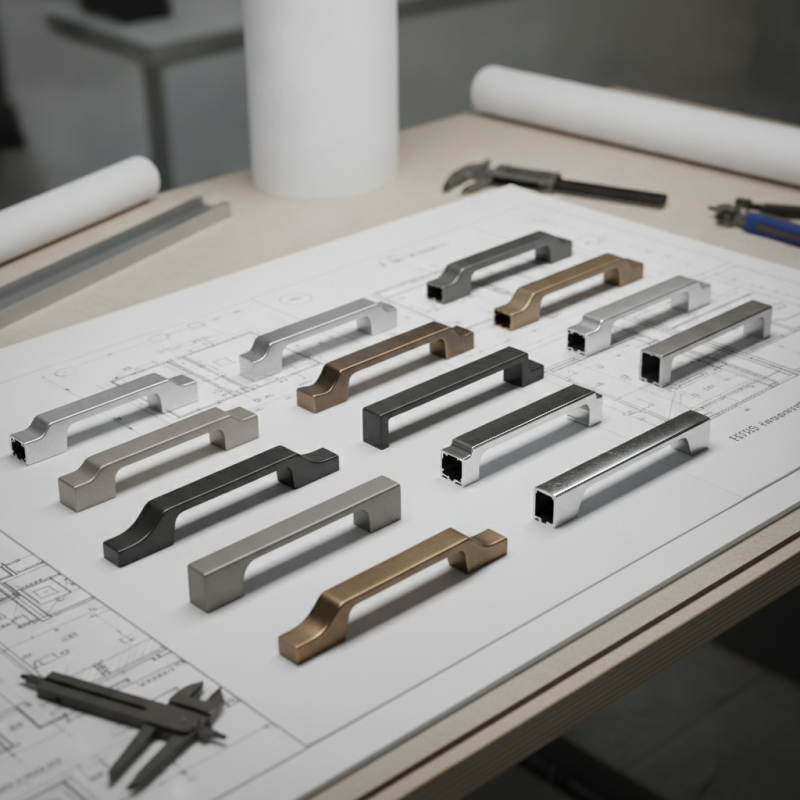
**Tip:** Consider the environmental impact. Aluminum is recyclable. Choosing sustainable materials can align with eco-friendly goals. It’s also wise to analyze the finish requirements. Different coatings affect aesthetics and functionality. A brushed finish might be suitable for a modern design, while a polished one could enhance elegance.
Another aspect to consider involves the extrusion process. The method can greatly influence strength and appearance. Profiles with complex shapes often provide better grip and comfort. However, they might be costlier. Weighing these factors against your project's budget is vital.
**Tip:** Don't overlook the significance of precision. Variations in specifications can lead to compatibility issues. Pay attention to dimensional tolerances and load-bearing capabilities to ensure a seamless fit. Always have a backup plan in case adjustments are needed during production.
Overview of the Top 10 Aluminum Handle Extrusions in China
When exploring aluminum handle extrusions in China, several key factors should be considered. The market is diverse, offering numerous designs and specifications. Each extrusion serves various industries, from automotive to construction. Attention to detail is crucial in selection. Understand the different profiles available, as they influence both functionality and aesthetics.
The material properties of aluminum are significant. Lightweight yet strong, aluminum handles provide durability. Many extrusions come with surface treatments, improving corrosion resistance. Aesthetic finish options enhance visual appeal. However, obtaining consistent quality can sometimes be a challenge. Some manufacturers may not meet high standards. Always verify the specifications and test samples when possible.
Also, consider the environmental impact of your choices. Sustainable practices are more relevant than ever. Some suppliers may not prioritize eco-friendly production methods. Researching suppliers can mitigate risks. Make informed decisions to ensure quality and sustainability. In the end, understanding what suits your projects best is crucial for success.
Detailed Specifications and Features of Each Recommended Extrusion
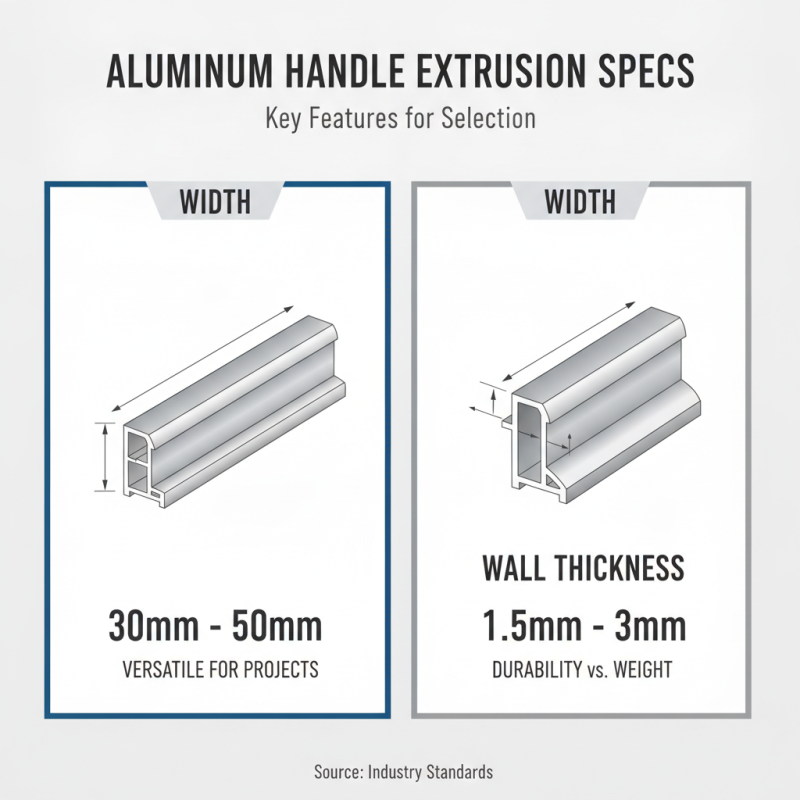
When selecting aluminum handle extrusions, understanding their specifications is crucial. The dimensions of these extrusions dictate their suitability for various applications. Commonly, they range from 30mm to 50mm in width. This size makes them versatile for different types of projects. Extrusions can also differ in wall thickness, typically from 1.5mm to 3mm. A thicker wall can enhance durability but may add weight.
In terms of finishes, some extrusions come pre-anodized, providing extra resistance to corrosion. Other options include powder coating, which offers various colors. Be mindful that variations in texture can affect grip and aesthetics. Also, some extrusions have custom profiles, which are tailored for specific designs. These unique shapes often enhance ergonomics, making them more comfortable to use. However, custom profiles might require longer lead times.
Another significant aspect is the extrusion's weight capacity. Different extrusions support varying loads. A thorough analysis of your project's requirements is essential to choosing the right one. Reflecting on this can help avoid costly mistakes. Often, the best extrusion is not the one that is most popular but the one that perfectly matches your needs.
Applications and Industries Using Aluminum Handle Extrusions
Aluminum handle extrusions find their way into various industries, effectively addressing specific design and functionality needs. They are widely utilized in the automotive sector, where lightweight materials are crucial for enhancing fuel efficiency. According to a recent report, lightweight aluminum components can improve fuel efficiency by up to 30%. This benefit resonates beyond automotive applications, extending to construction and furniture industries, where durability and aesthetics combine.
In the construction sector, aluminum handles are often preferred for windows and doors. Their corrosion resistance and strength make them ideal for both residential and commercial buildings. Reports highlight that using aluminum extrusions can reduce overall maintenance costs by as much as 20%. Additionally, the packaging industry leverages aluminum handle extrusions for their lightweight nature, which minimizes shipping costs while maintaining structural integrity.
However, not all aluminum handle extrusions meet the high standards required across these industries. Some products may compromise on quality, leading to durability issues. Companies must rigorously test the extrusions to ensure they meet industry specifications. Manufacturers should also focus on innovative designs and improved production methods to stay competitive. As the market for aluminum continues to grow, addressing these challenges becomes crucial for long-term sustainability.
Sustainability and Environmental Impact of Aluminum Handling Solutions
The sustainability of aluminum handling solutions is becoming a pressing concern in today's eco-conscious society. Aluminum itself is recyclable and has a lower carbon footprint compared to other metals. Using recycled aluminum can significantly reduce energy consumption. However, the complete lifecycle impact of aluminum production and handling must be examined. This includes extraction, processing, and transportation, each contributing to its overall environmental footprint.
The industry faces challenges. Not all aluminum sources are created equal. Some mining practices can lead to habitat destruction and pollution. It is crucial to prioritize responsible sourcing. Finding the right balance between performance and sustainability is hard. Projects may prioritize immediate benefits over long-term ecological impacts. This awareness can lead to more informed decisions.
Additionally, innovations in aluminum processing, such as more efficient extrusion methods, show promise. These can lower energy needs and waste. The industry must focus on closed-loop systems. This means recycling aluminum products at their end of life. More industry players are recognizing this need. Collaborative efforts can lead to sustainable practices that benefit both the environment and the economy.