Top Tips for Selecting the Best Aluminum Mirror Polish Profile?
When it comes to selecting the best Aluminum Mirror Polish Profile, understanding the characteristics of aluminum is crucial. Aluminum is lightweight, durable, and has excellent reflective properties. However, not all aluminum profiles are the same. Quality can vary significantly, which impacts both aesthetics and functionality.
The right aluminum mirror polish profile can enhance a project’s visual appeal. A poor choice, however, may lead to dull reflections or quick tarnishing. This inconsistency can be frustrating for designers and engineers alike. Paying attention to the details can save time and money in the long run.
In this guide, we will explore essential tips for making informed choices. We will share insights that combine experience and expertise. The aim is to equip you with the knowledge to select profiles that truly shine under scrutiny. Embrace the journey of finding the perfect aluminum mirror polish profile.
Top Features to Look for in Aluminum Mirror Polish Profiles
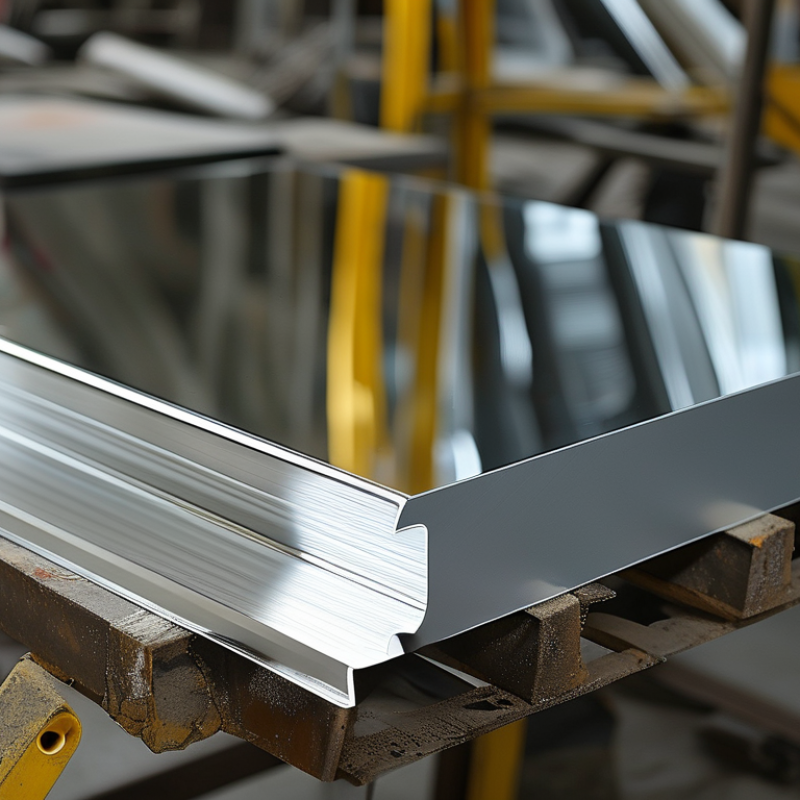
When selecting an aluminum mirror polish profile, consider its key features. Look for a reflective finish that enhances light quality and improves aesthetics. A smooth surface indicates high craftsmanship. It should resist scratches and tarnishing for long-lasting use.
Explore the thickness of the profile. A thicker profile often signifies durability. Yet, balance is essential. Too heavy can compromise usability. Examine the aluminum quality as well. High-grade aluminum offers better resistance to corrosion and wear.
Take note of the edge finish as well. A well-defined edge adds to the overall appearance and prevents potential injuries. While patterns can enhance design, they should not impede the reflective quality. Remember that not all profiles meet every requirement. It's essential to weigh the pros and cons clearly. Selecting the right profile requires careful consideration of these aspects.
Understanding the Different Types of Aluminum Mirror Polishing Techniques
Aluminum mirror polishing offers a range of techniques, each with unique benefits and challenges. The common methods include mechanical polishing, electrochemical polishing, and chemical polishing. Mechanical polishing is often the most widely used. It involves using abrasives to achieve a desired finish. However, this technique may not always reach the same depth of shine as other methods.
Electrochemical polishing, while more complex, can yield a brilliant finish. It uses electrical current to remove imperfections. A report from the Aluminum Association states that this method can improve surface smoothness by up to 99%. Despite its advantages, it requires careful handling of chemicals. This complexity can lead to inconsistent results if not managed properly.
Chemical polishing is another technique. It offers a quick way to achieve a reflective surface without abrasive wear. While this method can be efficient, it may not provide the durability of mechanically polished surfaces. Moreover, the environmental impact of the chemicals used is a growing concern. These factors raise questions about sustainability in the aluminum polishing industry. Each technique has its advantages and drawbacks, making the selection process crucial for achieving the best results.
Key Industry Standards and Certifications for Quality Aluminum Mirrors
Selecting the right aluminum mirror polish profile is crucial for achieving high-quality reflective surfaces. Understanding industry standards and certifications can guide you to make well-informed choices. Look for compliance with standards such as
ASTM B 928 and ISO 9001. These certifications indicate that the product meets stringent quality metrics. When purchasing, confirm the manufacturer's adherence to these standards.
One tip is to inspect the reflective quality of the aluminum mirrors. Quality mirrors should have minimal distortion. Ask for test samples before making a bulk order. This way, you can assess the mirror's clarity and surface finish first-hand.
Another factor to consider is the durability of the polish. Look for profiles that showcase resistance to scratches and tarnishing. This information may not always be provided upfront. Therefore, discussions with suppliers can reveal insights into product longevity. Manufacturers with a solid reputation often provide assurances and warranties. Take time to research their background and client feedback.
Impact of Surface Roughness on Reflectivity in Aluminum Mirrors
Surface roughness plays a crucial role in determining the reflectivity of aluminum mirrors. A smooth surface will enhance light reflection. Conversely, rough textures scatter light, reducing the overall reflectivity. This scattering effect can significantly affect applications requiring high precision, like optics and aerospace.
To achieve optimal reflectivity, focus on the polishing process. Techniques like chemical polishing and mechanical polishing can help. Not all methods yield the same results, and inconsistencies can arise. Operators need to monitor the surface condition carefully, as any imperfection could compromise performance. A simple scratch or uneven polish can lead to greater light loss.
Achieving the right surface finish is more art than science. Parameters like abrasive type and polishing time can vary considerably. Experimenting with different techniques is essential. What works for one application may not suit another. Attention to detail is vital. By refining processes and learning from imperfections, one can attain impressive results with aluminum mirrors.
Comparative Analysis of Cost vs. Quality in Mirror Polish Profiles
When choosing aluminum mirror polish profiles, cost and quality are often at odds. Many consumers seek the perfect balance, but this is not always achievable. A cheaper option may seem appealing, yet it often compromises on quality. In the long run, this might lead to premature wear and tear. A profile that looks great initially may dull quickly.
There is more to consider than just price. The material's durability and finish significantly impact its lifespan. An aluminum profile with a high gloss finish may cost more upfront but offers longer-lasting aesthetics. Research shows that a well-polished surface reflects light better, enhancing visual appeal. If the initial investment is worth it, one might avoid extra costs later on.
In some cases, consumers have reported dissatisfaction from selecting an inexpensive option. These profiles often show defects almost immediately. Careful analysis reveals that sometimes spending more can lead to better value overall. Overall, understanding the relationship between cost and quality in mirror polish profiles is crucial. This reflection can guide users toward sustainable choices and prevent regret.