Leave Your Message

How to Choose Aluminum T Slot Extrusion in 2026?

Choosing Aluminum T Slot Extrusion in 2026 requires more than comparing profile prices. The right selection affects frame strength, assembly speed, future adjustments, and long-term maintenance. A shiny profile can still be the wrong profile.

Dr. Pradip K. Saha, a respected aluminum extrusion specialist, describes the foundation clearly: “The extrusion process is a metal forming process in which a billet is forced through a die.” That process shapes the profile, but your application determines whether it performs well. A 40 × 40 millimeter section may suit a guarded workstation. A heavier 45 × 90 millimeter profile may better support a machine base, sliding load, or vibration-sensitive structure. Small details matter.

Measure the load first.

This guide will examine profile dimensions, alloy choices, wall thickness, slot compatibility, surface finish, connectors, and supplier quality. It will also compare metric and imperial systems, because mixing them can create expensive assembly problems. Check the slot width, fastener thread, corner radius, and available accessories before ordering several meters of material.

Real projects are rarely perfect. A frame may need extra bracing after testing. A connector may feel solid but loosen under repeated movement. Even experienced designers can underestimate deflection. Therefore, selection should include practical trials, load calculations, and room for modification.

The best Aluminum T Slot Extrusion is not always the largest or cheapest option. It is the profile that balances rigidity, weight, machining effort, accessibility, and future changes. In 2026, that balance will matter even more as modular automation and adaptable production systems continue expanding.
How to Choose Aluminum T Slot Extrusion in 2026?

What Is Aluminum T-Slot Extrusion and How Does It Work?

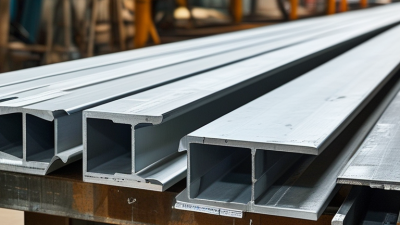
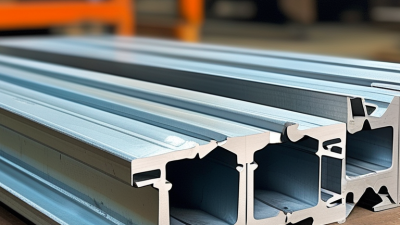
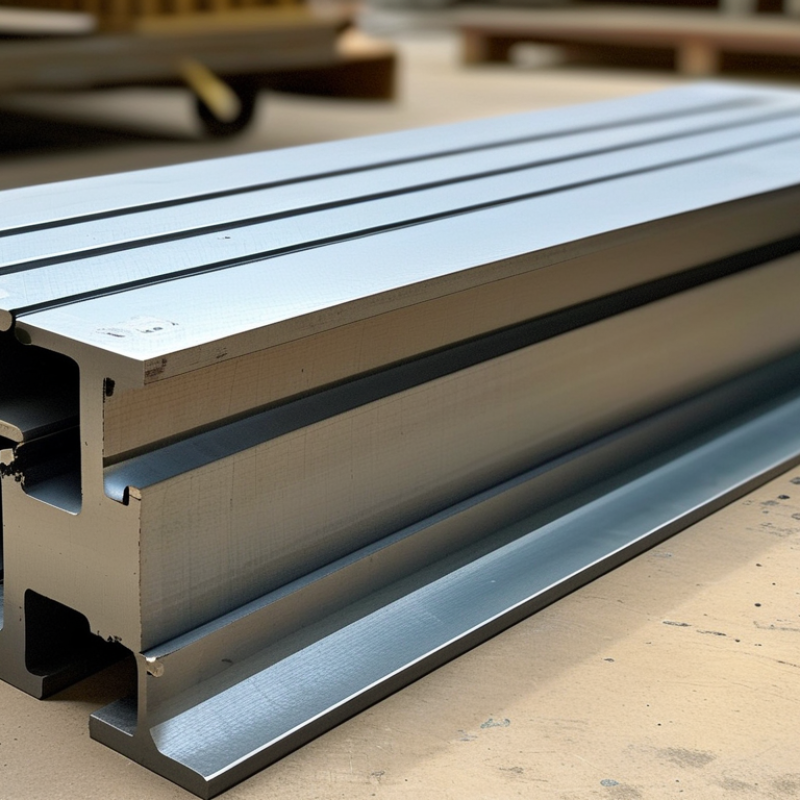
Aluminum T-slot extrusion is a modular framing material with a continuous T-shaped groove. Manufacturers create it by pushing heated aluminum through a precision die. The result is a straight, lightweight profile with consistent dimensions. Many profiles use 6063 aluminum because it offers good strength, corrosion resistance, and surface quality. Anodizing can improve wear resistance. It also gives the surface a cleaner appearance.

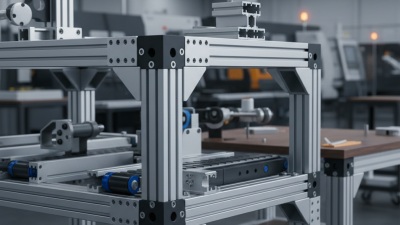
The slot holds T-nuts, bolts, brackets, panels, and other fittings. A T-nut slides into the groove, turns into position, and locks when the bolt tightens. This mechanical connection avoids welding for many machine frames, workbenches, guards, and automation structures. Assemblies can be repositioned with basic hand tools. That flexibility matters during testing. Designs often change after real equipment is installed.

Choosing the right extrusion in 2026 requires more than comparing prices. Check the profile size, slot width, wall thickness, span, and expected load. Longer spans may need larger profiles or cross-bracing to limit deflection. Review technical drawings and load data from reliable suppliers. Measure the actual working space, including fasteners and cable clearance. I have seen small errors here create costly rework. My early layouts also underestimated vibration around moving equipment. That mistake taught me to evaluate joints, not only the profile. A strong extrusion can still fail when brackets are poorly positioned or bolts are unevenly tightened.

How to Choose Aluminum T-Slot Extrusion in 2026?

What Is Aluminum T-Slot Extrusion and How Does It Work?

Aluminum T-slot extrusion is a modular structural profile with continuous T-shaped channels. T-nuts slide inside the channels and allow brackets, panels, wheels, and other components to be fastened without drilling or welding.

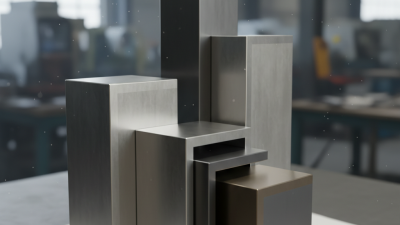
The chart compares common nominal metric profile widths. Choose a smaller profile for lightweight frames and guards, and a wider profile when greater span stiffness, load capacity, or resistance to deflection is required. Actual performance depends on alloy, wall geometry, unsupported span, connection design, and applied load.

How to Define Your Structural and Load-Bearing Requirements

How to Choose Aluminum T Slot Extrusion in 2026? How to Define Your Structural and Load-Bearing Requirements

Start with the load, not the profile shape. Record the mass of equipment, tools, cables, and stored materials. Add motion, impact, and maintenance loads. The Aluminum Design Manual reports aluminum’s elastic modulus near 69 GPa, roughly one-third of steel. Therefore, an aluminum frame may deflect sooner, even when it does not fail. That distinction matters.

That distinction matters.

Define the span, support points, and load direction on a simple sketch. A 1,200 mm beam carrying a 100 kg centered load behaves differently from four short beams sharing the same mass. Check bending stress, joint slip, buckling, and vertical deflection. For precision equipment, a 2–3 mm movement may already be unacceptable. ASCE 7-22 load combinations can guide the treatment of permanent, variable, and accidental loads, but local engineering rules still apply.

Select the extrusion only after these limits are clear. Larger profiles improve stiffness, yet they add cost and weight. A thicker wall does not automatically solve weak connectors.

Test the actual joint assembly, especially around corner brackets and tapped holes. This is where many designs become optimistic.

The International Aluminium Institute reports that recycled aluminum requires about 5% of the energy used for primary aluminum production, supporting responsible material selection. Still, sustainability cannot replace a verified load calculation.

An engineer should review critical frames, overhead structures, and human-safety applications. My own design habit is simple: calculate twice, then question the assumptions.

How to Compare Profiles, Alloys, Sizes, and Slot Configurations

Choosing aluminum T-slot extrusion in 2026 starts with the load path, not the catalog photograph.

Compare four variables: profile geometry, alloy and temper, outside dimensions, and slot configuration. The International Aluminium Institute’s 2024 production statistics report global primary aluminum output above 70 million tonnes. That scale supports availability, but it does not guarantee stiffness. Section geometry matters more.

For a guarded frame, 20 × 20 mm profiles may support light panels, while 40 × 40 mm sections usually reduce bending. Run a deflection check before ordering.

Measure twice.

Alloy selection should match the working stress and finish requirements. 6063 extrusion alloy is commonly chosen for clean surfaces and moderate structural loads. 6061-T6 generally provides higher strength, but it can be less forgiving during machining.

Check the supplier’s actual temper certificate instead of trusting a familiar alloy number. The Aluminum Association’s Aluminum Standards and Data remains a useful reference for alloy designations and mechanical-property comparisons. Values can vary with wall thickness, heat treatment, and testing direction.

Slot size controls the fastening system. Six-millimeter slots suit compact fixtures and smaller hardware, while eight-millimeter slots support heavier joints and larger fasteners. Match the slot opening, nut dimensions, joining plates, and tool clearance as one system.

The IAI’s Aluminium Recycling Fact Sheet states that recycled aluminum requires roughly 5% of the energy used for primary production, so recycled content deserves attention in procurement. Still, recycled content alone cannot replace traceability or strength verification.

I sometimes over-specify frames for visual confidence; that adds weight, cost, and embodied energy without improving the real load case.

How to Select Connectors, Fasteners, and Compatible Accessories

Choosing aluminum T-slot extrusion in 2026 involves more than selecting a profile size. Connectors and fasteners must match the extrusion’s slot width, wall thickness, and load direction. A connector designed for a narrow slot may not seat correctly in a wider profile. Measure twice. It matters.

For rigid frames, use internal joining plates, corner brackets, or concealed connectors according to the required strength and appearance. Threaded T-nuts should slide smoothly before tightening. Stainless or coated fasteners can help in humid environments, but material compatibility still deserves attention. Avoid mixing hardware without checking thread type, bolt length, and washer clearance.

I usually assemble one corner before ordering the full structure. This simple test reveals poor alignment, blocked slots, and unsuitable connector heads. Do not guess. A bolt that looks long enough may bottom out before clamping the joint. Tighten gradually and follow verified torque guidance from technical drawings or engineering data.

I once focused too heavily on frame stiffness and overlooked access for cable routing. The structure worked, but maintenance became awkward. That mistake changed my selection process. Compatible accessories should include leveling feet, hinges, handles, panels, covers, and cable guides when needed. Check whether each accessory uses the same slot system and leaves enough working space. Even experienced builders should recheck tolerances, because a small mismatch can affect the entire assembly.

How to Choose Aluminum T Slot Extrusion in 2026? - How to Select Connectors, Fasteners, and Compatible Accessories

Profile Size
(Nominal Width × Height)
Typical Slot Width Recommended Profile Wall / Use Common Connector Type Compatible Fastener Suitable Accessories Typical Applications Selection Considerations
20 × 20 mm Approx. 5 mm Light-duty framing; compact profiles with limited bending resistance. Internal cube connector, small angle bracket, or hidden joining plate. T-slot nut for 5 mm slots; commonly used with M4 or M5 screws, depending on the profile system. Mini hinges Small panel clips Compact leveling feet Instrument enclosures, small guards, lightweight displays, and desktop fixtures. Choose this size when low mass and compact dimensions are more important than high rigidity or long unsupported spans.
20 × 40 mm Approx. 5 mm Light-to-medium duty; greater bending resistance in the 40 mm orientation. Internal connector, external angle bracket, or joining plate. T-slot nut for 5 mm slots; usually paired with M4 or M5 screws. Panel holders Door hinges Swivel casters Small machine frames, shelves, protective covers, and adjustable supports. Orient the 40 mm dimension in the direction of the main bending load for improved stiffness.
30 × 30 mm Approx. 6 mm Medium-duty framing with a balance of weight, cost, and rigidity. External 90-degree bracket, internal connector, or corner cube. T-slot nut for 6 mm slots; commonly paired with M5 or M6 screws. Standard hinges Panel fasteners Foot plates Workstations, laboratory frames, moderate-size guards, and material-handling fixtures. Verify that the connector and nut dimensions match the actual slot opening and internal cavity.
40 × 40 mm Approx. 8 mm General-purpose medium-duty profile; commonly selected for rigid machine structures. Heavy angle bracket, internal joining plate, or reinforced cube connector. T-slot nut for 8 mm slots; commonly paired with M6 or M8 screws. Adjustable feet Door systems Caster plates Cable covers Machine bases, workbenches, safety fencing, assembly tables, and equipment stands. A good default choice when the frame requires moderate load capacity and frequent reconfiguration.
40 × 80 mm Approx. 8 mm Higher bending stiffness than a 40 × 40 mm profile when installed with the 80 mm dimension vertical. Reinforced angle bracket, joining plate, or internal connector designed for wide profiles. T-slot nut for 8 mm slots; commonly paired with M6 or M8 screws. Heavy-duty feet Large panel brackets Linear-guide supports Long beams, machine bases, conveyor supports, and equipment frames. Use structural calculations for long spans, dynamic loads, vibration, or cantilevered assemblies.
45 × 45 mm Approx. 10 mm Heavy-duty framing with increased section depth and connector capacity. Heavy external bracket, internal connector, or thick joining plate. T-slot nut for 10 mm slots; commonly paired with M8 screws. Heavy hinges Machine feet Safety-panel systems Industrial machine frames, large workstations, access platforms, and protective enclosures. Confirm that the selected brackets provide sufficient bearing area and do not interfere with adjacent slots.
80 × 80 mm Approx. 10 mm Heavy-duty structural framing for high stiffness and substantial supported loads. Large joining plate, reinforced corner bracket, or multi-bolt connector. T-slot nut for 10 mm slots; commonly paired with M8 or M10 screws. Heavy-duty casters Structural feet Large access doors Large machine bases, robotic cells, production lines, and high-load support structures. Check deflection, joint slip, fastener preload, and floor anchoring rather than selecting by profile size alone.
Any profile size Must match the slot specification Use the profile series and slot standard consistently throughout the frame. Connector must match slot width, internal geometry, profile face, and joining angle. Match nut type, thread size, screw length, head style, and washer clearance to the profile. End caps Linear bearings Cable ducts Panels Sensors Modular frames, machine guarding, automation equipment, test stands, and custom fixtures. Do not mix nominally similar systems without checking slot opening, nut retention, screw clearance, and accessory fit.
Important: Slot widths, internal dimensions, thread compatibility, and connector geometry can vary between profile series. Confirm the supplier’s technical drawing before ordering, especially for load-bearing structures, moving equipment, safety guarding, and vibration-sensitive assemblies.

How to Evaluate Cost, Quality, Sustainability, and Future Expansion

How to Choose Aluminum T Slot Extrusion in 2026?

Cost should mean more than the price per meter. Compare alloy grade, wall thickness, die charges, machining, finish, packaging, and freight. A cheaper profile may need extra brackets or fail under vibration. Ask for tensile data, dimensional tolerances, and inspection records aligned with ASTM B221. Request a sample before ordering hundreds of meters. It is a small expense.

Cost should mean more than the price per meter.

Quality also depends on application details. Check slot dimensions, straightness, surface consistency, and connector compatibility. Calculate deflection under real loads, not only rated loads. A 2024 engineering review of modular framing projects found that poor joint design often caused more movement than the extrusion itself. I still leave safety margins that may be excessive. That is safer, but not always economical.

Sustainability
Sustainability needs measurable evidence.

Sustainability needs measurable evidence. The International Aluminium Institute reports that recycling aluminum can require about 5% of the energy used for primary production. Ask for recycled content, production energy data, and an environmental product declaration. The International Energy Agency identifies secondary aluminum as a key emissions-reduction pathway. However, recycled content alone does not prove a low-impact product. Verify transport distance and finishing processes too. For future expansion, choose common slot sizes, accessible fasteners, and spare capacity for cables, sensors, and added equipment. USGS mineral reporting shows aluminum remains a major industrial material, yet supply conditions can change. Design for replacement, not perfection.