Best Ceiling Aluminium Extrusion Options for Global Buyers?
In the global construction industry, the demand for innovative materials is ever-increasing. Ceiling Aluminium Extrusion has gained attention for its versatility and durability. According to a recent market report, the global aluminium extrusion market is projected to grow at a CAGR of 5.2% from 2022 to 2028. This trend highlights an expanding preference for lightweight yet sturdy materials.
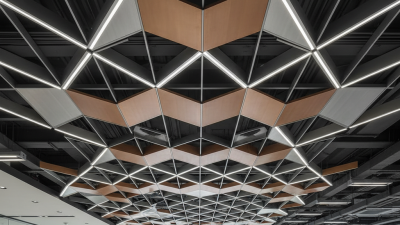
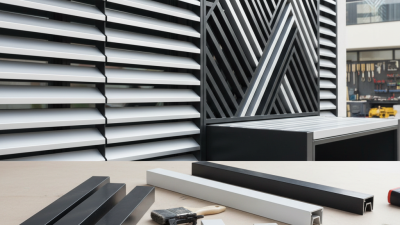
Architects and builders appreciate the aesthetic appeal of Ceiling Aluminium Extrusion. This material allows for diverse designs, offering both functional and visual benefits. However, not all options are created equal. Every supplier presents unique properties, and buyers should conduct thorough evaluations. It’s essential to choose extrusions that meet local standards and project specifications.
While many countries embrace this trend, buyers face challenges. Sourcing reliable suppliers can be daunting. Quality assurance remains a concern, requiring considerable effort. Buyers must navigate through various options, ensuring they select the best fit. Making informed decisions will enhance project outcomes and satisfaction in the long run.
Essential Characteristics of Ceiling Aluminium Extrusions for Buyers
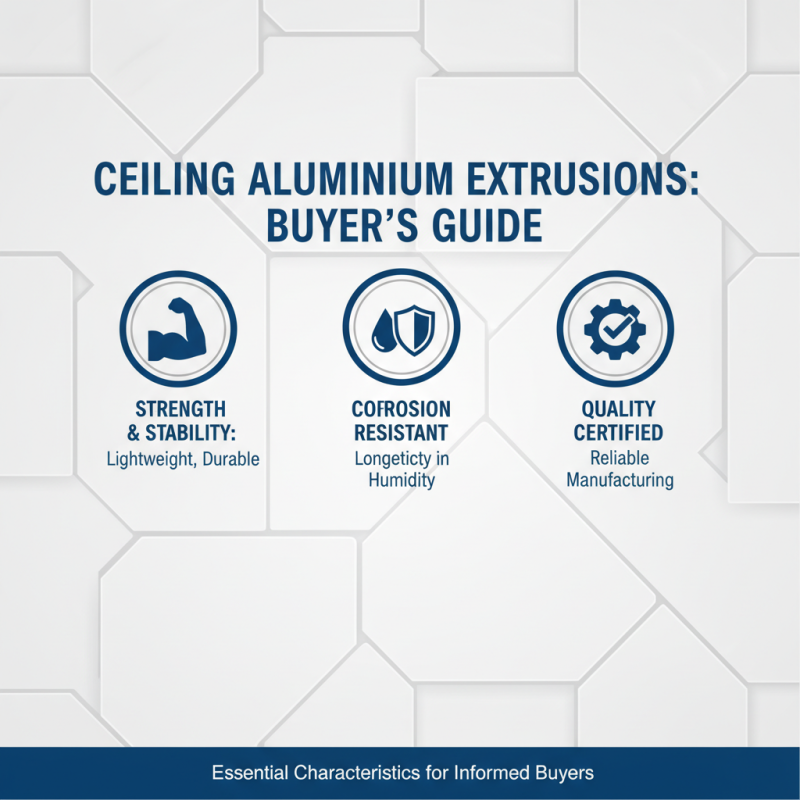
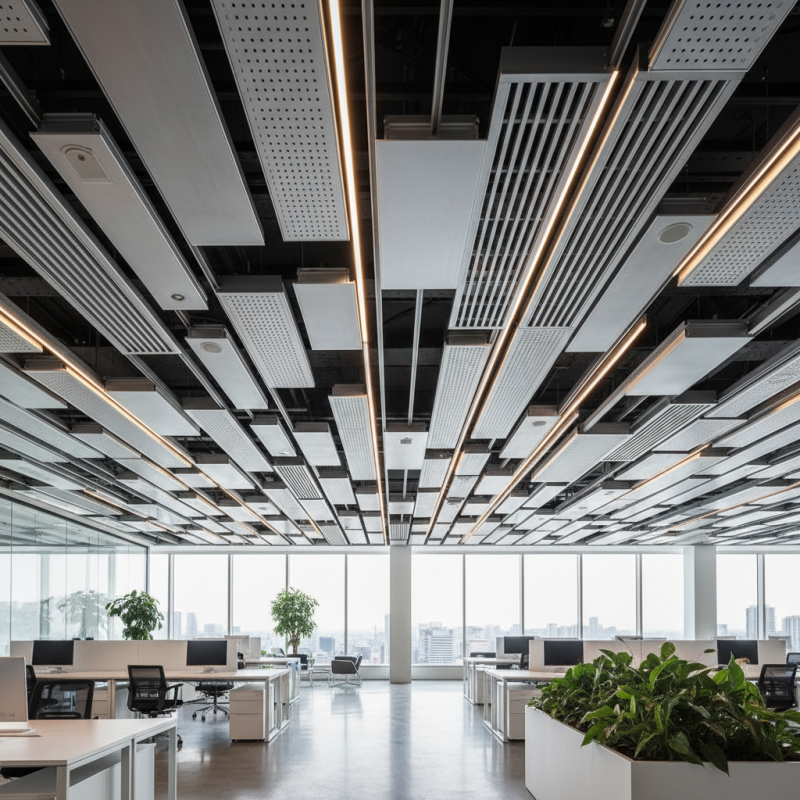
When considering ceiling aluminium extrusions, several essential characteristics come into play. The strength of the material is crucial for stability and support. Aluminium is lightweight yet durable, making it suitable for various ceiling designs. Its resistance to corrosion ensures longevity, especially in humid environments. Buyers should check for quality certifications, which indicate reliable manufacturing processes.
Another significant feature is versatility in design. Aluminium extrusions can be customized to fit specific aesthetic and functional needs. Whether it’s for a modern office or a cozy home, the right profile enhances the overall decor. Ease of installation also matters. Some extrusions are designed for quick setup, saving time and labor costs.
However, not all extrusions are created equal. Some may lack the necessary finish, leading to issues over time. Buyers must pay attention to surface treatments. Glossy finishes may look appealing but can show dirt quickly. A matte finish might be easier to maintain. There's room for improvement in terms of understanding suppliers' roles. Not all manufacturers offer the same level of service or communication. This aspect can significantly impact the buyer's experience. Being informed is key to making the right choice.
Popular Types of Ceiling Aluminium Extrusions Available Globally
Ceiling aluminium extrusions are gaining attention in the global market due to their versatility and aesthetic appeal. They are commonly used in both residential and commercial settings. According to a recent industry report, the demand for aluminium ceiling solutions is expected to grow by 5% annually until 2025. This growth highlights the increasing preference for lightweight yet durable building materials.
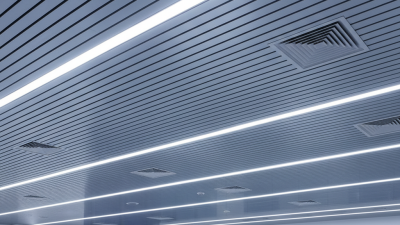
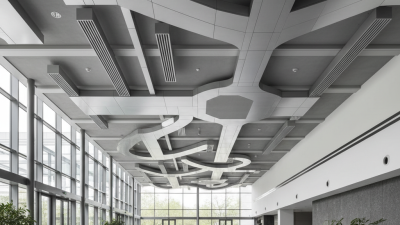
Several types of ceiling aluminium extrusions stand out globally. Recessed profiles allow seamless integration into ceilings, creating a minimalistic look. Meanwhile, grid systems offer flexibility for various ceiling designs. These options are popular because they enhance lighting efficiency and improve acoustics. In a market study, over 60% of architects indicated a preference for aluminium extrusions, citing their ease of installation and low maintenance needs.
However, challenges persist in the aluminium supply chain. Fluctuating raw material costs can impact project budgets. Moreover, ensuring sustainability in sourcing and manufacturing remains a critical concern for buyers. It’s vital for global buyers to consider these factors to make informed decisions. Quality and reliability should be prioritized, even amidst market uncertainties. Addressing these reflections can lead to better outcomes in sourcing ceiling aluminium extrusions.
Best Ceiling Aluminium Extrusion Options for Global Buyers
| Type |
Dimensions (mm) |
Finish |
Weight (kg/m) |
Applications |
| U-Shape |
50 x 30 |
Anodized |
1.2 |
Ceiling Panels |
| L-Shape |
40 x 40 |
Powder Coated |
1.0 |
Suspended Ceilings |
| T-Profile |
60 x 30 |
Brushed |
1.4 |
Drop Ceilings |
| C-Channel |
70 x 40 |
Natural |
1.6 |
Lighting Fixtures |
| Square Tube |
40 x 40 |
Satin |
1.3 |
Decorative Elements |
Key Factors to Consider When Selecting Aluminium Extrusions
When choosing aluminium extrusions for ceiling applications, several key factors come into play. The structural integrity of the extrusion is essential. It must bear the weight of the ceiling components and any additional fixtures. A thorough understanding of load-bearing capacities can prevent future issues.
Next, the finish of the aluminium is crucial. Different coatings offer varying levels of durability and aesthetics. Buyers should consider whether a powder-coated or anodized finish aligns better with their design vision. Each option brings unique benefits, but also limitations.
Sustainability is another important aspect. Consider the source of the aluminium and its recycling potential. Responsible sourcing adds to the overall project value. Potential buyers should weigh these factors while thinking about long-term impacts. Reflecting on these elements aids in making informed decisions that account for both functionality and environmental responsibility.
Comparative Analysis of Leading Suppliers in the Aluminium Industry
When considering ceiling aluminium extrusion options, global buyers face an array of choices. The aluminium industry has seen steady growth, with a projected CAGR of 5.3% from 2021 to 2028, according to industry reports. Key suppliers in different regions show varying strengths that buyers should consider. For instance, suppliers in Asia tend to dominate in cost-efficiency, while European suppliers often excel in sustainability practices.
Understanding material characteristics is crucial. For example, the strength-to-weight ratio of aluminium makes it ideal for suspended ceilings. However, sourcing high-quality materials can be challenging. One notable concern is that pricing fluctuations in raw aluminium can impact supply consistency. Buyers must stay informed about market trends to navigate these challenges effectively.
Tips: Always verify suppliers’ certifications and track records. Consider requesting sample materials before making large orders.
The selection process may reveal unexpected limitations. Buyers should be aware that not all suppliers meet stringent quality standards. Thorough analysis of production practices helps mitigate risks. A detailed comparison of extrusion processes can uncover unique advantages and shortcomings among suppliers.
Sustainability and Environmental Impact of Aluminium Extrusions
Aluminium extrusions have become a popular choice in building materials due to their lightweight and strength. However, their environmental impact raises significant questions. A report from the International Aluminium Institute highlights that bauxite mining, the source of aluminium, can lead to severe environmental degradation. Soil erosion, deforestation, and water pollution are just a few examples of these impacts.
Sustainable practices in aluminium extrusion are crucial. The Global Aluminium Foundation states that using recycled aluminium reduces energy consumption by 95%. This not only minimizes the carbon footprint but also contributes to reducing mining activities. However, the recycling process can still produce greenhouse gas emissions, reminding us that sustainability is not perfect.
Many industries are moving towards circular economy models. Businesses can aim for closed-loop recycling systems. This approach reduces waste and promotes the reuse of materials. While the aluminium industry is making progress, there is still a long way to go in ensuring the sustainability of these materials. Addressing these issues demands more research and better practices from all stakeholders involved.