What is Aluminium Radiator Extrusion and How is it Used?
Aluminium Radiator Extrusion is a crucial manufacturing process. This technique involves shaping aluminium into specific forms to produce radiators. These products are widely used in various industries, including automotive and HVAC (heating, ventilation, and air conditioning).
The benefits of Aluminium Radiator Extrusion are significant. It offers lightweight, durable components that enhance thermal efficiency. These radiators can withstand high temperatures and pressure, making them suitable for demanding applications. However, it’s important to analyze the environmental impacts. The energy used in the extrusion process can be substantial.
In using Aluminium Radiator Extrusion, manufacturers face challenges. Ensuring consistent quality can be difficult. Variations in material properties may affect performance. This is an area that requires focus and continuous improvement. Hence, while the benefits are clear, the drawbacks cannot be overlooked.
Definition of Aluminium Radiator Extrusion
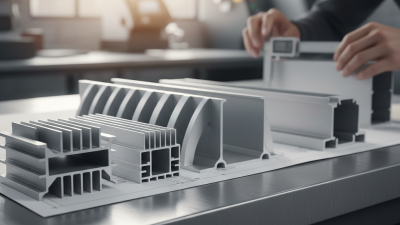
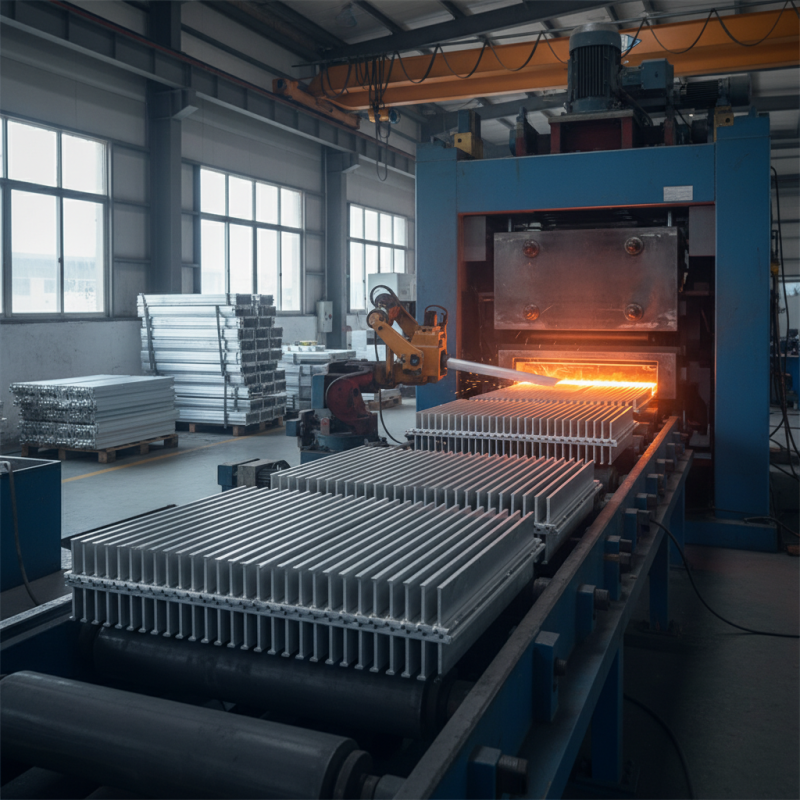
Aluminium radiator extrusion refers to the process of shaping aluminium into specific forms to create radiator components. This technique involves pushing heated aluminium through a die, which gives it a unique profile. The result is lightweight yet durable parts that can efficiently transfer heat. These extruded profiles can be designed for various radiator designs, making them versatile in application.
The advantages of aluminium radiator extrusion are notable. Extruded aluminium is generally better at heat dissipation than many other materials. The surface area of the extrusions allows for optimal airflow. However, the manufacturing process can be exacting. Precision in design is critical. Any miscalculations can lead to inefficiencies, resulting in wasted resources and time. Even small flaws in the extrusion can affect the radiator's overall performance, leading to reflections on the need for strict quality control.
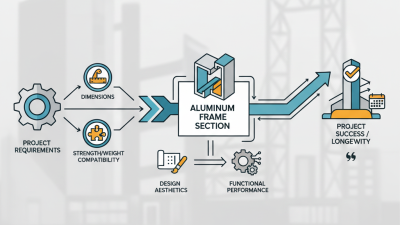
Choosing the right design for extrusion is not always straightforward. Engineers must balance aesthetics, performance, and cost. Mistakes in this balance can lead to challenges down the line. Despite its advantages, there’s always room for improvement in the extrusion process. Recognizing this can drive innovation for better outcomes in future projects.
Process of Aluminium Radiator Extrusion
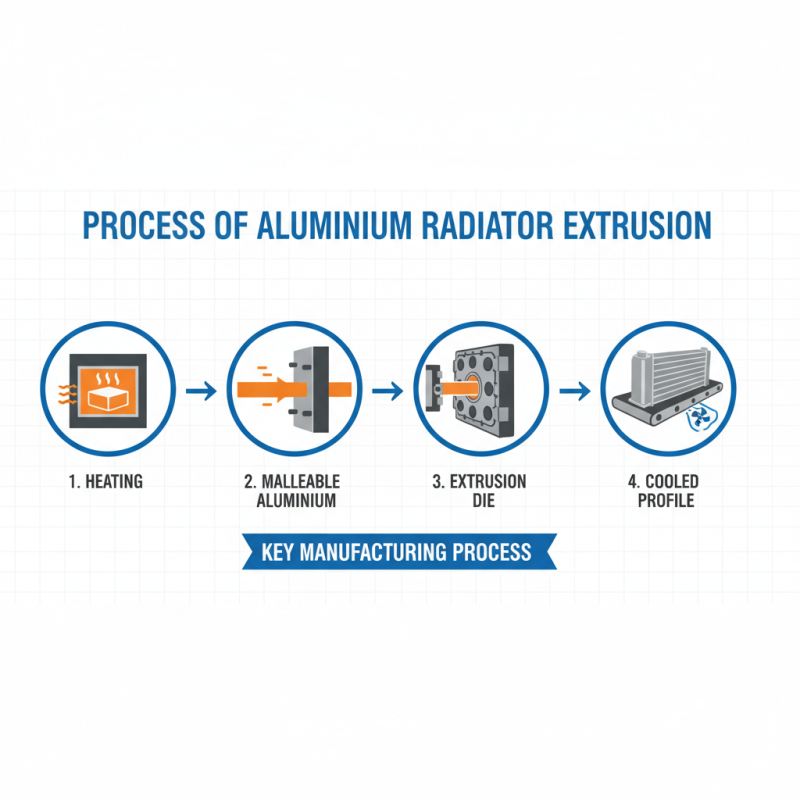
Aluminium radiator extrusion is a key manufacturing process. It involves shaping aluminium alloys into specific forms. The process begins by heating the aluminium until it becomes malleable. This soft metal can then be forced through a die, creating long sections of the desired shape.
Once extruded, these sections may undergo further treatments. Cutting, bending, and assembling are common next steps. Notably, cooling must be managed carefully to avoid warping. The final products are used in various applications, like heating systems and automotive parts. The functional efficiency often relies on precise dimensions.
Sometimes, imperfections occur during extrusion. Variations in temperature can lead to inconsistencies. Additionally, the die may become worn over time, affecting the quality of the extrusions. Even small errors can impact performance. Manufacturers must continuously reflect on and improve their processes to ensure better outcomes.
Applications of Aluminium Radiator Extrusion
Aluminium radiator extrusion plays a vital role in various industries. It provides effective cooling solutions due to its lightweight and corrosion-resistant properties. The automotive sector is a primary user, relying on aluminium radiators for vehicle cooling systems. This material helps improve fuel efficiency, a crucial factor in today’s eco-conscious market. According to industry reports, the global aluminium radiator market was valued at over $15 billion in 2022 and is projected to grow significantly by 2027.
In addition to automotive applications, aluminium extrusions are common in electronics. They are used in computer cooling systems and power electronics. These components benefit from aluminium's ability to dissipate heat quickly. Furthermore, manufacturers are exploring innovative designs to maximize performance while minimizing weight. This reflects the industry's shift towards efficiency and sustainability.
Tip: Always consider the environmental impact of materials. Sustainable sourcing can influence the entire supply chain. Selecting recycled aluminium can significantly reduce carbon footprint.
Another application is in HVAC systems. Aluminium extrusions are used for heat exchangers, enhancing energy efficiency in buildings. Despite their advantages, there are challenges. Production costs and complexities in forming intricate shapes can lead to inconsistencies. Continuous research and development are essential to address these issues. Maintaining quality while pushing for innovative designs remains a critical concern for manufacturers.
Advantages of Using Aluminium Radiators
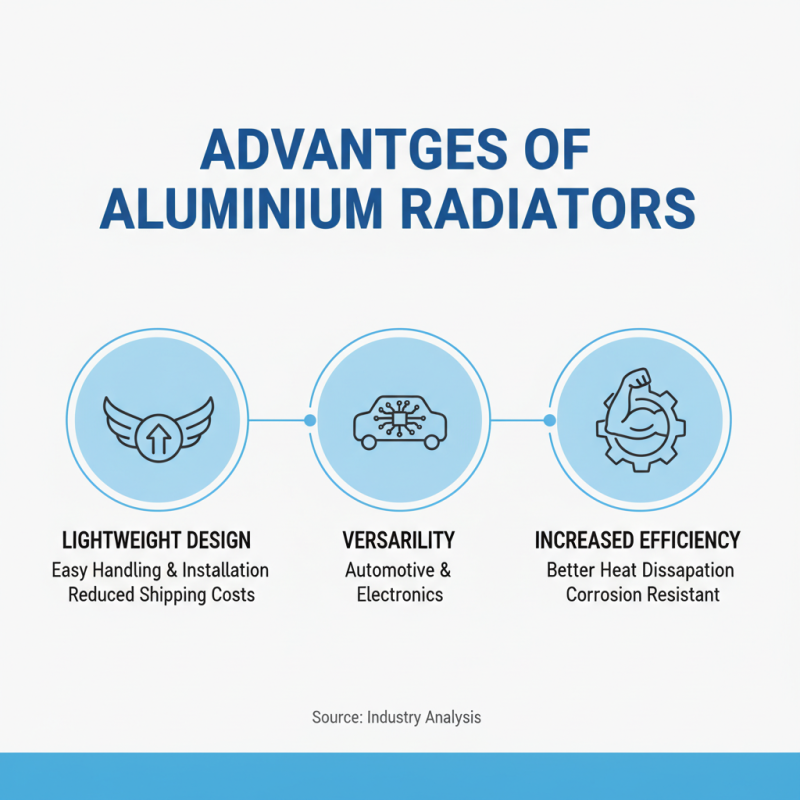
Aluminium radiators offer various advantages that appeal to many industries. First, their lightweight nature makes them easy to handle and install. Unlike traditional materials, aluminium is significantly lighter, which reduces shipping costs and labor intensity. This is especially beneficial for applications in automobiles and electronics.
Another advantage is the excellent heat conductivity of aluminium. It efficiently transfers heat, ensuring optimal performance in various systems. Radiators made from this material can provide superior cooling, enhancing machine longevity. Additionally, aluminium's resistance to corrosion increases durability. It does not rust, which is a major concern in many environments.
However, the production process for aluminium radiators can create waste that needs to be addressed. Recycling options exist, but they are not always utilized. This creates a gap in sustainability efforts. Overall, while aluminium radiators are efficient, their environmental impact calls for reflection on manufacturing processes and waste management.
Considerations in Aluminium Radiator Design and Production
In designing aluminium radiators, several key factors must be taken into account. Durability is crucial. The material must withstand high temperatures and pressures. A study by the Aluminium Association indicates that aluminium radiators can offer a weight reduction of up to 50% compared to traditional radiators. This enhances energy efficiency and reduces emissions in automotive applications.
Thermal performance is also essential. The design must optimize heat dissipation. Several factors influence this, including fin design and spacing. An analysis conducted by Ford Motor Company highlights that enhanced fin configurations can increase heat transfer rates by 20%. However, achieving the perfect balance between airflow and thermal performance is challenging. There often lies a trade-off between size and efficiency, which requires ongoing research.
Manufacturing complexity shapes production costs and sustainability. Advanced extrusion techniques are required for precise shapes, increasing production time. A recent report by the International Aluminium Institute stresses the importance of recycling in the aluminium industry. Though recycling rates are high, not all used radiators are processed effectively. This raises questions concerning resource use and waste management. Finding ways to improve recyclability remains a pressing issue.
What is Aluminium Radiator Extrusion and How is it Used? - Considerations in Aluminium Radiator Design and Production
| Dimension |
Value |
Considerations |
| Material Thickness |
1.2 - 2.5 mm |
Influences strength and weight |
| Fin Density |
10 - 20 fins per inch |
Affects heat transfer efficiency |
| Core Dimensions |
Varies by application |
Must align with vehicle design |
| Extrusion Length |
Up to 6 meters |
Limits transportation and installation |
| Heat Treatment |
T5 or T6 |
Improves mechanical properties |